
Table
- What Is Aeroponic Farming?
- The Origins and Evolution of Aeroponic Technology
- How Aeroponic Systems Work
- Key Advantages of Aeroponic Farming
- Crops Best Suited for Aeroponic Systems
- Aeroponics and Vertical Farming
- Environmental and Sustainability Benefits
- Economic Considerations and Costs
- Challenges and Risks of Aeroponic Farming
- Food Safety and Quality Control
- The Future of Aeroponic Agriculture
- Is Aeroponic Farming Right for You?
Modern agriculture is evolving rapidly in response to climate change, land scarcity, and the demand for higher efficiency. Among the most advanced soilless cultivation methods, the aeroponic system stands out as a breakthrough technology capable of producing more food with fewer resources. By suspending plant roots in air and delivering nutrients as a fine mist, aeroponics maximizes oxygen exposure and accelerates plant growth.
What Is Aeroponic Farming?
Aeroponic farming is a method of growing plants without soil or traditional growing media. Instead, plant roots are suspended in a closed or semi-closed environment and regularly misted with a nutrient-rich solution. This approach allows precise control over water, nutrients, and oxygen levels.
The term aeroponic comes from the Greek words aero (air) and ponos (labor), emphasizing the system’s reliance on air as the primary growth medium.
How Aeroponics Differs from Other Soilless Systems
- Roots are exposed to air rather than submerged in water
- Higher oxygen availability than hydroponics
- Lower water usage compared to most farming methods
- Extremely precise nutrient delivery
These characteristics make aeroponics one of the most resource-efficient cultivation systems available today.
The Origins and Evolution of Aeroponic Technology
Aeroponic research began in the mid-20th century as scientists sought to understand root physiology in controlled environments. Early experiments demonstrated that plants could survive—and even thrive—when roots were exposed to air and misted with nutrients.
Organizations such as NASA played a critical role in advancing aeroponic systems, particularly for space-based food production research. These studies laid the foundation for today’s commercial and vertical farming applications.
From Research Labs to Commercial Farms
What began as a scientific curiosity has evolved into a viable agricultural solution. Modern aeroponic farms operate in greenhouses, warehouses, and urban facilities, producing high-quality crops year-round.
How Aeroponic Systems Work
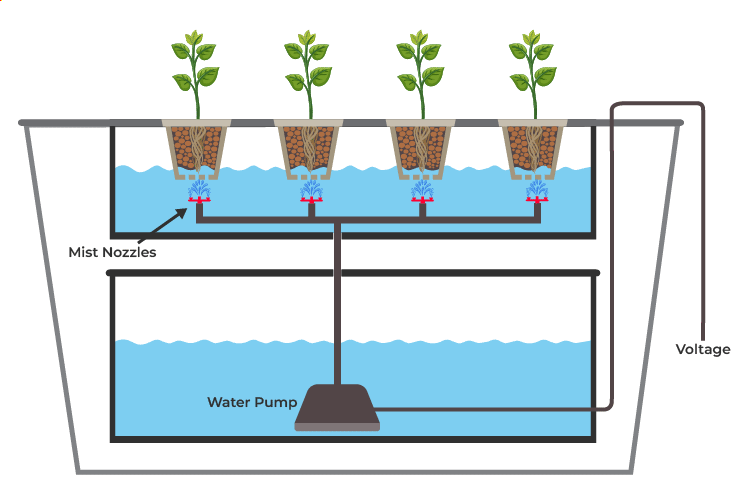
An aeroponic system consists of several integrated components designed to maintain optimal growing conditions. Precision and redundancy are essential, as plant roots are highly sensitive to environmental changes.
Core Components
- Plant support structures
- Nutrient reservoir
- High-pressure misting nozzles
- Timers and control systems
- Environmental sensors
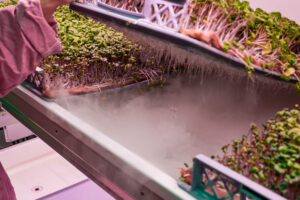
The nutrient solution is atomized into microscopic droplets, ensuring even coverage and rapid absorption by the roots.
Mist Cycles and Root Health
Mist intervals are carefully calibrated to prevent root desiccation while avoiding excess moisture. This balance promotes rapid root development and efficient nutrient uptake.
Key Advantages of Aeroponic Farming
The appeal of aeroponic systems lies in their unmatched efficiency. When properly managed, aeroponic cultivation offers significant advantages over traditional and even other soilless methods.
Water and Nutrient Efficiency
- Up to 95% less water usage than soil-based farming
- Minimal nutrient waste due to closed-loop systems
- Reduced runoff and environmental impact
These efficiencies make aeroponics particularly valuable in regions facing water scarcity.
Accelerated Growth and Higher Yields
Enhanced oxygen exposure stimulates root metabolism, leading to faster growth rates and higher biomass production. Many growers report shorter harvest cycles and increased yields per square meter.
Crops Best Suited for Aeroponic Systems
While aeroponics can support a wide range of crops, certain plant types are especially well-suited due to their growth habits and market value.
Common Aeroponic Crops
- Leafy greens such as lettuce and arugula
- Herbs including basil, mint, and parsley
- Microgreens
- Strawberries and other small fruit crops
Root vegetables and large fruiting plants require specialized system designs but are increasingly being tested in advanced setups.
Aeroponics and Vertical Farming
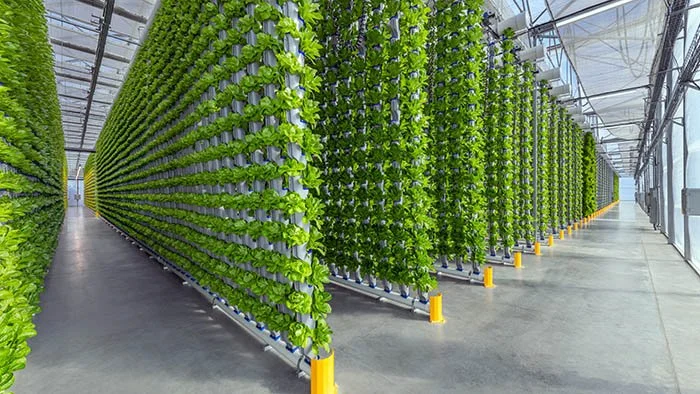
Aeroponic systems are frequently integrated into vertical farming environments. Their lightweight design and minimal water requirements make them ideal for stacked production.
In a vertical context, aeroponic farming maximizes output per cubic meter, not just per square meter, redefining agricultural efficiency.
Urban Agriculture Applications
Cities with limited land availability benefit significantly from aeroponic vertical farms. Local production reduces transportation emissions and delivers fresher produce to consumers.
Environmental and Sustainability Benefits
Aeroponic farming aligns closely with global sustainability goals. By eliminating soil disturbance and reducing water consumption, it minimizes agriculture’s ecological footprint.
According to insights from the World Resources Institute, resource-efficient food production systems are essential for feeding a growing population without further degrading ecosystems.
Reduced Chemical Dependency
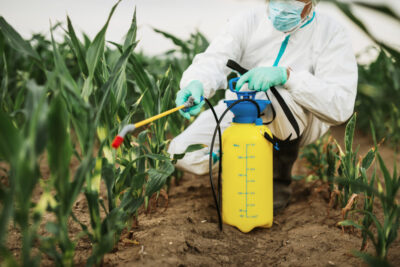
Controlled environments limit pest exposure, reducing or eliminating the need for pesticides and herbicides. This results in cleaner produce and safer working conditions.
Economic Considerations and Costs
Despite its advantages, aeroponic farming requires careful financial planning. Initial setup costs can be higher than traditional farming methods.
Primary Cost Factors
- System infrastructure and equipment
- High-pressure pumps and misting technology
- Automation and monitoring software
- Energy consumption
However, operational efficiency, reduced resource use, and premium crop quality can lead to strong long-term returns.
Commercial Viability
Many successful aeroponic farms focus on high-value crops and direct-to-market distribution models, such as supplying restaurants and specialty retailers.
Challenges and Risks of Aeroponic Farming
Aeroponics is a high-performance system, but it is also highly sensitive. System failures can have rapid and severe consequences.
Technical Risks
- Power outages
- Nozzle clogging
- Pump or sensor failures
Redundancy, backup power systems, and regular maintenance are essential for mitigating these risks.
Food Safety and Quality Control
Aeroponic systems operate in clean, controlled environments, significantly reducing contamination risks associated with soil-based farming.
Produce grown aeroponically often meets higher food safety standards, making it attractive to health-conscious consumers and premium markets.
The Future of Aeroponic Agriculture
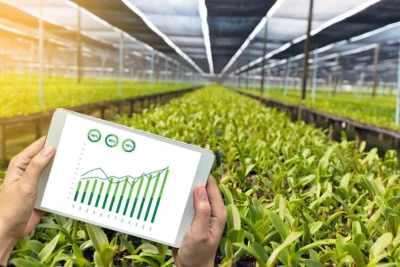
The future of aeroponic farming lies in continued technological innovation. Artificial intelligence, machine learning, and advanced sensors are enabling real-time optimization of growing conditions.
Research institutions and agri-tech companies are also exploring crop genetics optimized specifically for aeroponic environments, further improving efficiency and yield potential.
Aeroponics and Global Food Security
As climate instability increases, aeroponic systems offer a resilient alternative capable of producing food in harsh or unpredictable conditions—from deserts to dense urban centers.
Is Aeroponic Farming Right for You?
Aeroponic farming is best suited for growers willing to invest in technology, training, and precision management. While not a universal solution, it offers unmatched efficiency for those prepared to manage its complexity.
Understanding both the opportunities and limitations is essential before adopting this advanced cultivation method.
Aeroponic farming represents one of the most advanced and efficient forms of modern agriculture. By maximizing oxygen, minimizing resource use, and leveraging technology, the aeroponic system redefines what is possible in food production.
As global challenges continue to reshape agriculture, aeroponics stands as a powerful tool for building sustainable, resilient, and future-ready food systems.
How to Increase the Resilience of Agricultural Systems to Extreme Events
Integrated Pest Management with a Preventive, Not Reactive, Approach
Blockchain in Agriculture: Real Traceability and Adoption Challenges

When Was Vertical Farming Invented? A Complete History of Vertical Agriculture
Cannabis HVAC Design: How to Build Efficient and Compliant Grow Facilities

Winemakers Are Building Grape-Picking Robots: How Automation Is Reshaping the Wine Industry
You might like...