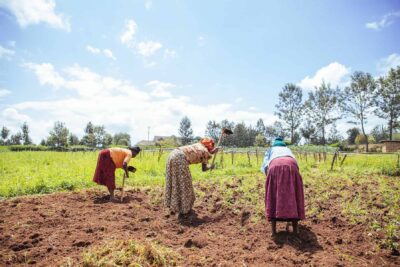
How to Increase the Resilience of Agricultural Systems to Extreme Events
Agricultural systems across the world are facing unprecedented pressure from extreme events…
+
Sustainability & Climate Resilience are now fundamental principles guiding the evolution of agriculture. As global temperatures rise and weather patterns shift, farmers face new challenges that demand innovative, adaptive, and science-based solutions. This category at Gossort explores how sustainable practices, resilient crop varieties, and climate-smart technologies are transforming modern agriculture into a more efficient and environmentally conscious system.
Climate change is no longer a distant concern — it directly impacts yields, soil fertility, and food security. Extreme weather events such as droughts, floods, and heatwaves threaten global food supplies. According to the Intergovernmental Panel on Climate Change (IPCC), the agricultural sector must adapt to remain viable and sustainable.
Developing climate-resilient crop varieties and investing in sustainable soil management practices are crucial strategies for ensuring stable production and protecting ecosystems. Gossort provides research-based insights into these approaches, focusing on actionable solutions for real-world conditions.
At the core of sustainability lies the idea of balance — between production efficiency, environmental health, and economic viability. Modern sustainable agriculture integrates traditional knowledge with cutting-edge technology to minimize ecological impact while maintaining productivity.
Key sustainable practices include:
These approaches not only improve yield resilience but also restore the natural cycles that sustain agricultural landscapes.
Healthy soil is the bedrock of climate resilience. It stores carbon, filters water, and supports microbial life that sustains crop growth. Unfortunately, intensive agriculture and deforestation have degraded much of the world’s fertile land.
Through sustainable soil management techniques — including cover cropping, reduced tillage, and integrated nutrient management — farmers can rebuild soil structure and sequester carbon, contributing to both productivity and climate mitigation.
Data from the Food and Agriculture Organization (FAO) highlights that improving soil organic matter by just 1% can significantly increase water retention and reduce the need for chemical fertilizers.
Technology plays a transformative role in adapting to climate change. Precision agriculture, artificial intelligence, and satellite monitoring enable farmers to make informed decisions based on data, reducing waste and improving efficiency.
Gossort features advancements such as:
These technologies align with the global goals of reducing carbon footprints while ensuring consistent agricultural output.
Climate resilience is not limited to farm-level practices — it extends across the entire food system, from production to distribution. Supply chain innovation, regenerative agriculture, and local market support are essential to achieving sustainability goals.
Policies promoting biodiversity, fair trade, and renewable energy in agriculture are also critical. International collaborations, such as those led by the United Nations Sustainable Development Goals (SDGs), provide frameworks for governments and industries to act collectively.
Across regions like Eastern Europe and Russia, where agriculture is both economically and culturally vital, adaptation strategies are underway. For example, farmland reclamation projects and sustainable irrigation systems are helping communities adapt to shifting climate zones while maintaining productivity.
Research-driven initiatives, supported by Gossort and partner institutions, aim to equip farmers with the knowledge and tools necessary to implement these changes effectively.
Despite progress, numerous challenges persist. Limited access to technology, insufficient funding, and gaps in climate education remain barriers to large-scale transformation. Additionally, balancing short-term profitability with long-term sustainability requires continuous collaboration among farmers, scientists, and policymakers.
Through its editorial coverage, Gossort highlights actionable insights, best practices, and data-driven innovations that can bridge this gap and promote agricultural resilience worldwide.
The Sustainability & Climate Resilience category provides an in-depth look into how modern agriculture can thrive in the face of environmental change. By combining scientific innovation, regenerative practices, and strong policy frameworks, the agricultural sector can secure a food future that is both productive and sustainable.
At Gossort, we are committed to sharing knowledge, fostering collaboration, and advancing technologies that empower farmers and ensure the resilience of our planet’s food systems.
Climate-resilient agriculture refers to farming practices that maintain productivity and sustainability despite changes in climate conditions, such as droughts or heatwaves.
Farmers can adapt by using resilient crop varieties, improving soil management, conserving water, and integrating smart technologies.
Healthy soil supports nutrient cycling, water retention, and carbon storage — all of which are critical for climate resilience and long-term productivity.
Technologies like sensors, drones, and AI systems help farmers collect data, predict environmental risks, and optimize resource use.
Sustainable farming reduces carbon emissions, preserves biodiversity, and ensures food security for future generations.
10 articles
How to Increase the Resilience of Agricultural Systems to Extreme Events
Agricultural systems across the world are facing unprecedented pressure from extreme events…
+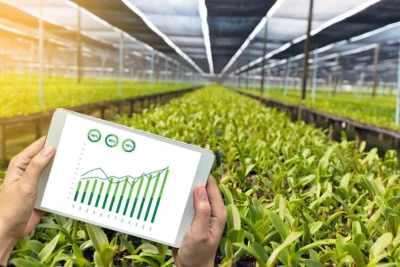
Blockchain in Agriculture: Real Traceability and Adoption Challenges
Modern agriculture operates in an increasingly complex global environment shaped by rising…
+
When Was Vertical Farming Invented? A Complete History of Vertical Agriculture
Vertical Farming invented by as cities grow and agricultural land becomes increasingly…
+
Jill MacMillan: Engineering Innovation in Modern Farm Technology
Jill MacMillan: Engineering Innovation in Modern Farm Technology The global agricultural sector…
+
How Wind Power Can Make Farm Energy Use More Resilient
Wind power in agriculture has always depended on energy. From irrigation systems…
+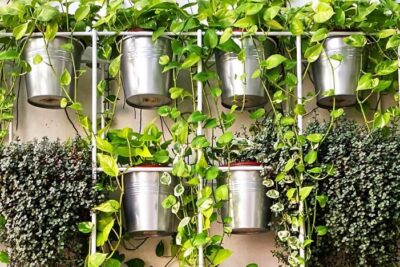
Wall Gardening: The Complete Guide to Growing Green Spaces Vertically
Urbanization, limited outdoor space, and a growing desire for sustainable living have…
+
Aeroponic Farming Systems: High-Efficiency Soilless Agriculture
Modern agriculture is evolving rapidly in response to climate change, land scarcity,…
+
Winemakers Are Building Grape-Picking Robots: How Automation Is Reshaping the Wine Industry
For centuries, winemaking has balanced tradition, craftsmanship, and a deep connection to…
+
Reclaiming Soviet-era Farmland: Cases of Successful Conversion to Modern Crops
1. Introduction Across Eastern Europe, millions of hectares of once-fertile farmland were…
+
Comparative Evaluation of Climate Change-Resistant Wheat Varieties in Eastern Europe
1. Introduction Wheat remains one of the most crucial staple crops in…
+