
Table
- The Growing Importance of Data in Dairy Farming
- Production Data: Understanding Output and Efficiency
- Animal Health and Welfare Data
- Reproductive Performance Metrics
- Environmental and Sustainability Data
- Labor and Operational Performance
- Integrating Data Across Systems
- Challenges in Dairy Data Management
- The Strategic Value of Data Management
This article explores the key data categories in dairy production, explains their practical value, and outlines how strategic data management can improve both productivity and long-term resilience.
The Growing Importance of Data in Dairy Farming
From Records to Real-Time Intelligence
Traditionally, dairy data consisted of basic production records such as milk yield and calving dates. While useful, these records provided only a partial view of farm performance. Advances in sensors, automation, and digital platforms now allow continuous data collection across nearly every aspect of dairy operations.
This shift enables producers to move from retrospective analysis to real-time decision-making, improving responsiveness and reducing uncertainty.
Why Measuring Everything Is Not the Goal
One of the most common mistakes in digital transformation is collecting excessive data without a clear purpose. Effective data management focuses on relevance, quality, and usability rather than volume. Measuring the right indicators ensures that data supports decisions instead of overwhelming farm managers.
Production Data: Understanding Output and Efficiency
Milk Yield and Composition
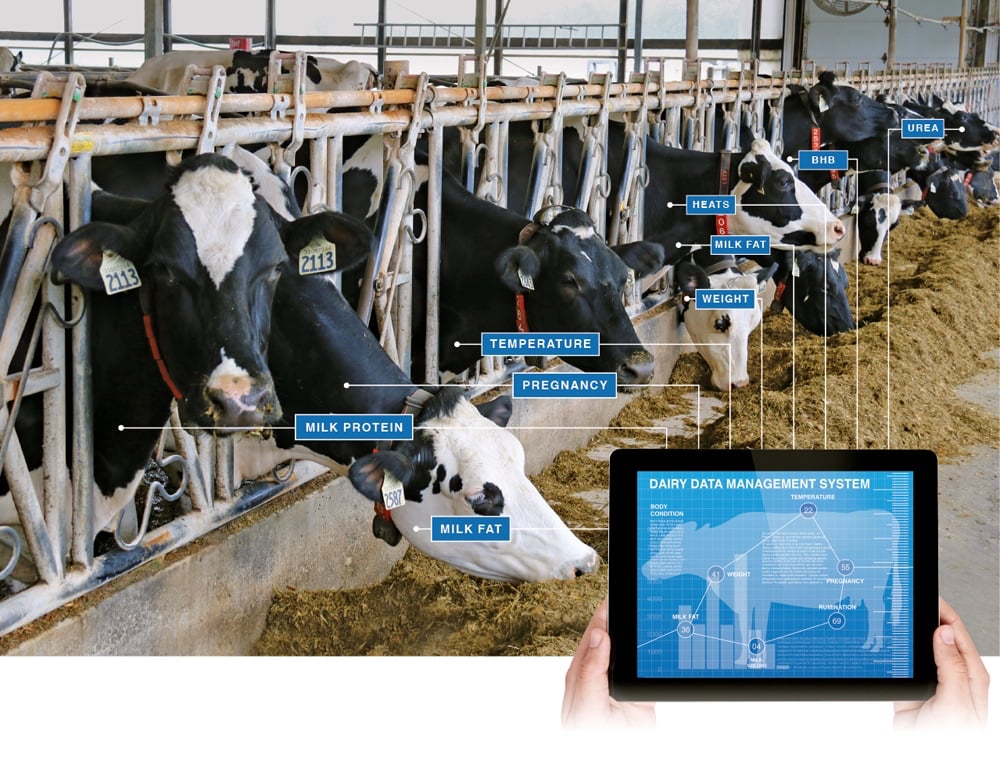
Milk volume remains a fundamental performance indicator, but composition metrics such as fat, protein, and somatic cell count provide deeper insights into herd health and nutritional balance. Monitoring these parameters allows producers to identify trends, optimize feed rations, and detect early signs of health issues.
Industry benchmarks published by organizations such as the International Dairy Federation highlight the importance of milk quality metrics for both market access and profitability.
Feed Efficiency Metrics
Feed represents one of the largest cost components in dairy production. Measuring feed intake relative to milk output provides a clear indicator of efficiency. Improvements in feed efficiency not only reduce costs but also lower the environmental footprint of milk production.
Animal Health and Welfare Data
Health Events and Disease Incidence
Recording health events such as mastitis, lameness, and metabolic disorders helps identify recurring problems and evaluate the effectiveness of prevention strategies. Consistent health data supports early intervention and reduces reliance on reactive treatments.
Behavioral and Physiological Indicators
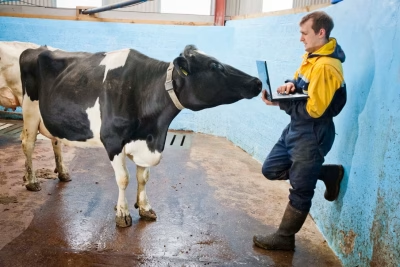
Modern monitoring systems capture data on activity levels, rumination, and body temperature. These indicators provide early warnings of stress or illness before visible symptoms appear, improving treatment outcomes and animal welfare.
Reproductive Performance Metrics
Key Fertility Indicators
Reproductive efficiency has a direct impact on herd productivity and replacement costs. Metrics such as calving interval, conception rate, and days open help assess reproductive performance and identify bottlenecks.
Using Data to Improve Breeding Decisions
Combining reproductive data with genetic and health records enables more informed breeding strategies. This integrated approach supports long-term herd improvement rather than short-term gains.
Environmental and Sustainability Data
Emissions and Resource Use
Sustainability is increasingly central to dairy production. Measuring water usage, energy consumption, and manure management efficiency provides the foundation for reducing environmental impact and meeting regulatory or market requirements.
Linking Sustainability Data to Market Access
Transparent environmental data supports participation in sustainability programs and supply chains that reward responsible production practices. This transparency is becoming a prerequisite for accessing certain export markets.
Labor and Operational Performance
Measuring Labor Efficiency
Labor availability is a growing challenge in the dairy sector. Tracking labor hours per unit of milk produced helps identify inefficiencies and justify investments in automation or training.
Workflow Optimization
Operational data can reveal bottlenecks in milking routines, feeding schedules, and animal movement. Optimizing workflows improves both productivity and worker well-being.
Integrating Data Across Systems
Breaking Down Data Silos
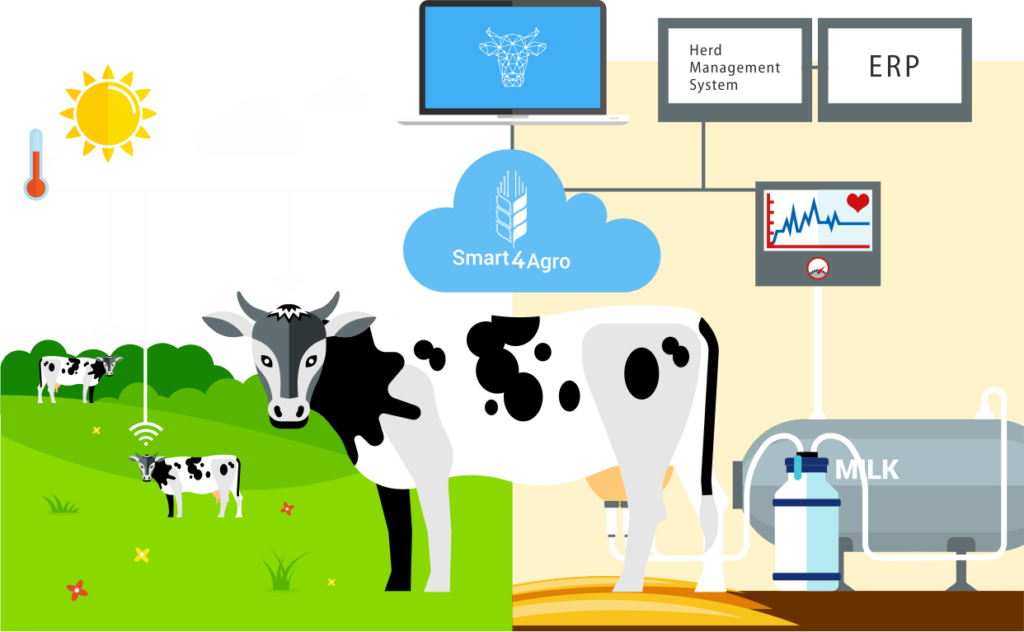
Dairy farms often use multiple software platforms for different functions. Effective data management requires integrating these systems to provide a unified view of farm performance.
Decision Support and Analytics
Advanced analytics transform integrated data into actionable recommendations. Predictive models can forecast health risks, production trends, and economic outcomes, supporting proactive management.
Insights from consulting groups such as McKinsey’s agriculture practice highlight how analytics-driven decision-making improves resilience in food systems.
Challenges in Dairy Data Management
Data Quality and Consistency
Inaccurate or inconsistent data undermines decision-making. Establishing standardized data collection protocols is essential for reliability and comparability over time.
Skills and Adoption Barriers
Managing and interpreting data requires technical skills that may be limited on some farms. Training, advisory services, and user-friendly tools are critical to closing this gap.
The Strategic Value of Data Management
When implemented effectively, data management becomes a strategic asset rather than an administrative burden. It supports continuous improvement, risk reduction, and long-term planning.
By focusing on meaningful metrics and aligning data collection with clear objectives, dairy producers can transform information into a competitive advantage.
The future of the dairy industry will be shaped by the ability to make informed decisions in an increasingly complex production environment. Strategic Data management enables producers to measure what truly matters, understand why it matters, and act with confidence.
Rather than collecting data for its own sake, successful dairy operations focus on relevance, integration, and practical application. By doing so, they build more efficient, sustainable, and resilient systems capable of meeting the challenges ahead.
Wearable Technologies Applied to Livestock Management
Jill MacMillan: Engineering Innovation in Modern Farm Technology

Cannabis HVAC Design: How to Build Efficient and Compliant Grow Facilities

First FDA-Approved Solution Targets New World Screwworm in Cattle Herd

Reclaiming Soviet-era Farmland: Cases of Successful Conversion to Modern Crops

The Role of AI-Powered Drones in the Early Detection of Pests in Extensive Crops
You might like...