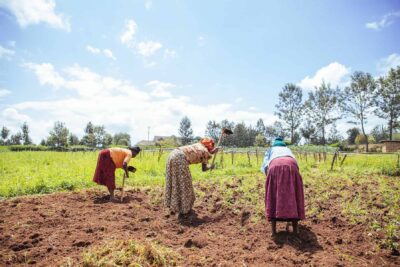
How to Increase the Resilience of Agricultural Systems to Extreme Events
Agricultural systems across the world are facing unprecedented pressure from extreme events…
+
The global agricultural landscape is entering a new era — one defined by technology, data, and innovation. As the world’s population grows and climate challenges intensify, farmers and researchers are embracing smart tools that optimize efficiency, improve sustainability, and secure food production for future generations. The Agricultural Technology & Innovation category at Gossort explores how digital transformation, automation, and precision science are reshaping farming worldwide.
Agriculture has evolved from manual labor and intuition-based decisions to data-driven precision systems. Smart farming technologies empower producers to monitor, predict, and manage every aspect of their operations with remarkable accuracy.
Key components of agricultural innovation include:
Together, these technologies reduce waste, improve productivity, and promote environmental stewardship — the essence of modern sustainable agriculture.
Drones have become indispensable tools for precision agriculture. They enable farmers to collect high-resolution imagery, assess crop health, and monitor irrigation systems efficiently. Gossort’s article on agriculture with drones explores how unmanned aerial systems (UAS) revolutionize large-scale monitoring and data collection.
By analyzing multispectral images, farmers can detect plant stress, nutrient deficiencies, and pest infestations before they become visible to the human eye. This allows for targeted interventions, saving time, reducing chemical use, and enhancing yield quality.
Artificial intelligence is the backbone of the digital farming revolution. AI algorithms process vast amounts of agricultural data — from soil health and weather patterns to satellite imagery — to help farmers make predictive and evidence-based decisions.
Machine learning models can forecast:
Through these innovations, farmers can increase productivity while minimizing input costs, positioning AI as one of the most transformative tools in the agricultural sector.
Robotics are redefining efficiency in crop production and management. Automated tractors, planters, and harvesters improve precision, reduce human labor demands, and allow continuous operation across long cycles.
Innovations include:
These technologies contribute directly to crop production and management efficiency, improving both yield and sustainability metrics.
Data is the new soil of agriculture — fertile, rich, and full of potential. Platforms integrating IoT, satellite data, and AI provide farmers with actionable insights to manage their fields remotely and efficiently. Cloud-based dashboards can now visualize soil moisture, crop growth, and pest movement across thousands of hectares.
Advanced analytics enable agricultural organizations to measure environmental impact and economic returns, facilitating better decision-making for resource management and sustainability planning.
Transparency has become a cornerstone of modern agriculture. Consumers want to know where their food comes from, how it was produced, and whether it meets ethical and sustainability standards. Blockchain technology enables secure, tamper-proof data sharing across the supply chain.
Farmers and distributors can record each production stage, from seed selection to retail, ensuring authenticity and safety. This innovation aligns with global efforts to enhance sustainability and climate resilience through digital accountability.
Beyond machinery and data, biotechnology continues to shape the biological foundations of farming. Through genetic editing and molecular breeding, scientists are developing climate-resilient varieties that withstand drought, heat, and pests.
These innovations not only protect global food security but also reduce dependency on chemical inputs, helping agriculture transition to a greener and more efficient future.
Despite its promise, technology adoption remains uneven across the globe. Small-scale farmers often face barriers such as high initial costs, limited digital literacy, and inadequate infrastructure. Bridging this digital divide is critical for ensuring inclusive agricultural progress.
Partnerships between governments, startups, and research institutions are essential to scale these technologies sustainably and make innovation accessible to all farmers — not just industrial producers.
The next decade will redefine agriculture through automation, connectivity, and ecological intelligence. From carbon-neutral machinery to AI-driven decision support systems, every technological step forward moves humanity closer to sustainable food security.
At Gossort, our mission is to spotlight the research, tools, and transformations driving this progress. By connecting technology with tradition, we aim to empower farmers, agronomists, and policymakers to build a smarter and more resilient agricultural future.
Smart farming uses technologies such as sensors, drones, AI, and automation to optimize agricultural production, reduce waste, and enhance sustainability.
Drones help monitor crops, map fields, assess plant health, and apply fertilizers or pesticides precisely where needed, reducing input use and environmental impact.
AI processes agricultural data to predict yields, identify diseases, and recommend resource-efficient actions for better productivity and sustainability.
Blockchain ensures transparent, secure data sharing across the supply chain, helping verify the origin and quality of food products from farm to consumer.
High investment costs, limited infrastructure, and lack of digital literacy remain key obstacles, especially in developing agricultural regions.
20 articles
How to Increase the Resilience of Agricultural Systems to Extreme Events
Agricultural systems across the world are facing unprecedented pressure from extreme events…
+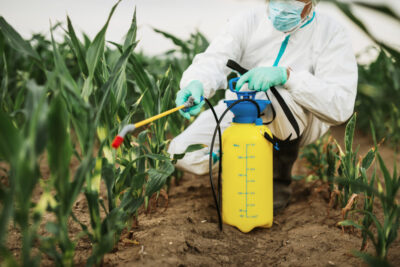
Integrated Pest Management with a Preventive, Not Reactive, Approach
Pest pressure has always been one of the most persistent challenges in…
+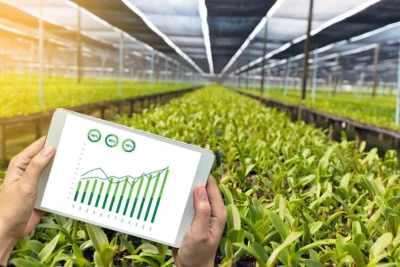
Blockchain in Agriculture: Real Traceability and Adoption Challenges
Modern agriculture operates in an increasingly complex global environment shaped by rising…
+
When Was Vertical Farming Invented? A Complete History of Vertical Agriculture
Vertical Farming invented by as cities grow and agricultural land becomes increasingly…
+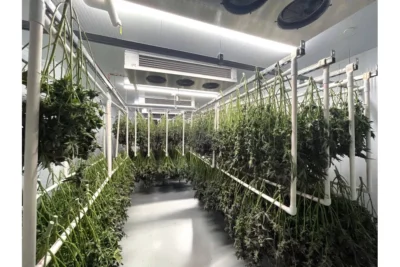
Cannabis HVAC Design: How to Build Efficient and Compliant Grow Facilities
The rapid expansion of the legal cannabis industry has transformed cultivation into…
+
Aeroponic Farming Systems: High-Efficiency Soilless Agriculture
Modern agriculture is evolving rapidly in response to climate change, land scarcity,…
+
Winemakers Are Building Grape-Picking Robots: How Automation Is Reshaping the Wine Industry
For centuries, winemaking has balanced tradition, craftsmanship, and a deep connection to…
+
Vertical Farm Systems: Sustainable Indoor Agriculture
The global food system is undergoing a profound transformation. Population growth, climate…
+
Wheat Crop Management: A Complete Guide to Sustainable Production and Higher Yields
Wheat has shaped civilizations, economies, and food systems for thousands of years.…
+
The Role of AI-Powered Drones in the Early Detection of Pests in Extensive Crops
1. Introduction As global agriculture embraces the fourth industrial revolution, the…
+