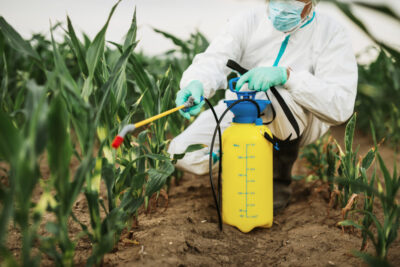
Integrated Pest Management with a Preventive, Not Reactive, Approach
Pest pressure has always been one of the most persistent challenges in…
+
Crop Production & Management is at the core of modern agriculture. It encompasses all practices, technologies, and innovations that ensure efficient, resilient, and sustainable crop yields. At Gossort, this category explores how agronomic science, technology, and responsible resource management intersect to feed a growing global population amid climate challenges and evolving market demands.
Modern crop management is more than planting and harvesting — it is a science-based process that integrates soil health, climate analysis, pest control, and technological precision. The goal is to produce more food using fewer resources, while maintaining ecological balance and improving soil fertility for future generations.
Key components of effective crop management include:
One of the main challenges in global agriculture is climate variability. Developing and managing climate-resilient crop varieties ensures productivity under conditions of drought, temperature extremes, and unpredictable rainfall.
Research and field experience show that introducing resilient strains of wheat, maize, and barley can stabilize yields and reduce the risk of crop failure. Regional adaptation programs, such as those in Russia and Central Asia, play a vital role in supporting farmers through training and genetic innovation.
Technology has transformed the way farmers monitor, plan, and execute crop production. Precision agriculture tools such as drones, satellite imagery, and IoT sensors allow real-time analysis of soil moisture, nutrient levels, and pest pressure. This data-driven approach improves efficiency and sustainability across entire farming systems.
At Gossort, we explore topics such as:
Soil is the foundation of agriculture. Maintaining its structure, biodiversity, and nutrient balance is essential for sustainable production. Sustainable soil management practices — such as reduced tillage, organic amendments, and precision fertilization — improve productivity while preserving the environment.
According to the Food and Agriculture Organization (FAO), improper soil management leads to an annual loss of millions of hectares of arable land worldwide. Farmers and policymakers must therefore prioritize regenerative agricultural models to ensure long-term viability.
Pests and diseases remain major threats to food security. However, overreliance on chemical pesticides has environmental and health drawbacks. Modern Integrated Pest Management (IPM) combines biological control, crop rotation, and resistant varieties with limited chemical use to minimize risks.
Gossort’s coverage emphasizes solutions that promote biodiversity and resilience, ensuring that pest management aligns with global sustainability goals.
Emerging innovations such as vertical farming, hydroponics, and automation are reshaping the future of agriculture. These systems allow for high-density production in controlled environments, optimizing water and nutrient use while reducing the ecological footprint.
Artificial intelligence and robotics are also revolutionizing planting, weeding, and harvesting, especially in large-scale cereal production. By adopting these technologies, farmers can address labor shortages and improve accuracy in field operations.
The future of crop production depends on the balance between innovation, sustainability, and economic accessibility. Farmers face growing pressures from climate change, land degradation, and fluctuating market prices. The integration of science-based solutions, education, and policy support will determine the sector’s success.
Gossort continues to monitor and report on how regional policies, market dynamics, and international trade shape crop management practices across Europe, Russia, and beyond.
The Crop Production & Management category serves as a comprehensive resource for farmers, researchers, and policymakers seeking to understand the evolving landscape of global agriculture. Through expert insights, data-driven analysis, and case studies, Gossort aims to promote sustainable, productive, and future-ready farming systems that contribute to global food security.
Crop production depends on soil quality, climate conditions, seed variety, pest management, and the application of technology and sustainable practices.
Farmers can enhance soil fertility by practicing crop rotation, reducing tillage, applying organic matter, and adopting sustainable soil management methods.
Precision agriculture uses technology such as drones, GPS, and sensors to monitor crops and apply inputs more efficiently, reducing costs and environmental impact.
Climate-resilient varieties help maintain stable yields under extreme weather conditions and are crucial for food security amid climate change.
Technology enables smarter decision-making, automation, and real-time monitoring, leading to higher productivity and resource efficiency in agriculture.
5 articles
Integrated Pest Management with a Preventive, Not Reactive, Approach
Pest pressure has always been one of the most persistent challenges in…
+
How Wind Power Can Make Farm Energy Use More Resilient
Wind power in agriculture has always depended on energy. From irrigation systems…
+
Wheat Crop Management: A Complete Guide to Sustainable Production and Higher Yields
Wheat has shaped civilizations, economies, and food systems for thousands of years.…
+
The Role of AI-Powered Drones in the Early Detection of Pests in Extensive Crops
1. Introduction As global agriculture embraces the fourth industrial revolution, the…
+
The Economics of Wheat Production in 2025: Challenges and Market Insights
Introduction: A New Era for Global Wheat Production The wheat industry…
+