

Table
- 1. The History of Soviet-Era Farmlands: From Productivity to Abandonment 🏛️
- 2. The Importance of Reclaiming Abandoned Farmland 🌱
- 3. Modern Agricultural Strategies: How Russia is Reclaiming Soviet-Era Farmlands 🚜
- 4. Key Regions for Farmland Reclamation in Russia 🌍
- 5. Challenges in Reclaiming Soviet-Era Farmlands 🛑
- 6. The Future of Reclaimed Farmlands in Russia: A Path to Food Security 🌍
- Frequently Asked Questions (FAQs) 🔍
- Conclusion: Russia’s Farmland Reclamation – A New Agricultural Frontier 🌾🌍
Russia is home to some of the world’s largest expanses of agricultural land, much of which was once cultivated under Soviet-era farming systems. After the collapse of the Soviet Union, many of these farmlands were abandoned, leading to a significant loss of productive land. However, recent efforts for farmland reclamation has breathed new life into Russia’s agricultural sector, offering a potential solution to global food shortages and improving domestic food security. 🏞️🌍
In this article, we’ll take a closer look at Russia’s efforts to reclaim Soviet-era farmlands, the challenges involved, and how modern farming techniques are transforming these lands into productive agricultural hubs once again. 🌾✨
1. The History of Soviet-Era Farmlands: From Productivity to Abandonment 🏛️
Under the Soviet Union, large-scale agricultural production was a cornerstone of the economy. Massive collective farms, known as kolkhozes and sovkhozes, were established across Russia and other Soviet republics to supply grain, vegetables, and other staple crops to the entire Soviet bloc.
Key Facts:
- Collectivization: Soviet farms operated under a collective system, with agricultural land owned by the state. Millions of hectares were devoted to wheat, barley, and other grains.
- Technological Shortcomings: Despite their size, many Soviet farms suffered from outdated technology, poor management, and insufficient infrastructure, leading to inefficiencies in production.
- Post-Soviet Collapse: After the fall of the Soviet Union in 1991, many of these farmlands were abandoned due to economic collapse, political instability, and the disintegration of collective farming systems. This resulted in large areas of agricultural land lying idle for decades.
By the early 2000s, it was estimated that millions of hectares of arable land had become overgrown or unused, presenting both a challenge and an opportunity for the Russian agricultural sector. 🌍

2. The Importance of Reclaiming Abandoned Farmland 🌱
The reclamation of abandoned farmlands has become a national priority for Russia, especially as global demand for food production increases. By bringing these idle lands back into production, Russia has the potential to expand its agricultural output significantly, helping to stabilize global food supplies and reduce reliance on imports.
Why Reclamation Matters:
- Global Food Security: With the global population continuing to grow, the need for more arable land to produce food is critical. Reclaiming idle farmlands can help meet the growing demand for staples like wheat, barley, and vegetables. 🌾
- Economic Growth: Reviving unused land for farming can boost rural economies, providing jobs, improving local infrastructure, and contributing to regional development.
- Self-Sufficiency: As part of its broader import substitution strategy, Russia aims to become more self-sufficient in food production. Reclaimed land provides a key avenue to increase domestic food output and reduce reliance on foreign agricultural imports.
3. Modern Agricultural Strategies: How Russia is Reclaiming Soviet-Era Farmlands 🚜
Reclaiming abandoned farmlands in Russia is no small task. The land left fallow for decades is often overgrown, degraded, or lacking in proper irrigation systems and infrastructure. However, advances in agricultural technology and government initiatives are making it possible to transform these lands into productive fields once again.
Key Strategies for Reclamation:
- Land Surveying and Soil Analysis: Before bringing land back into production, soil quality must be assessed. Modern surveying tools, including drones and satellite imaging, help identify areas where the soil remains fertile and where soil rehabilitation may be needed.
- Soil Rehabilitation: In some areas, soil degradation due to erosion or nutrient depletion is a major hurdle. Reclamation efforts often involve adding organic matter, using crop rotation, and planting cover crops to restore soil fertility. 🌱
- Irrigation and Water Management: Many of the abandoned lands lack modern irrigation systems, making it difficult to grow crops. Russian farmers are implementing advanced irrigation technologies like drip irrigation to efficiently use water resources and ensure consistent yields, especially in drought-prone regions.
- Government Support and Subsidies: The Russian government has introduced subsidies and tax incentives for farmers willing to reclaim and cultivate abandoned farmlands. This includes financial support for purchasing new agricultural machinery, constructing storage facilities, and accessing seeds and fertilizers.
4. Key Regions for Farmland Reclamation in Russia 🌍
Several regions across Russia are being targeted for the reclamation of abandoned farmlands. These areas once formed the backbone of Soviet agricultural production, and they still hold great potential for future farming activities.
Southern Russia: Agricultural Heartland 🌾
The fertile lands of Krasnodar, Rostov, and Stavropol were once among the most productive regions during the Soviet era. Today, they are at the forefront of farmland reclamation efforts, with large-scale projects to restore grain production. These regions benefit from relatively mild climates and good access to infrastructure.
Central Russia: Reviving Wheat Production 🌾
Regions such as Voronezh, Lipetsk, and Belgorod have vast areas of underutilized land, and they are now undergoing reclamation to restore their wheat production capabilities. These central regions are strategically located for supplying both domestic and international markets, particularly Europe and the Middle East.
Volga and Siberia: New Frontiers 🏞️
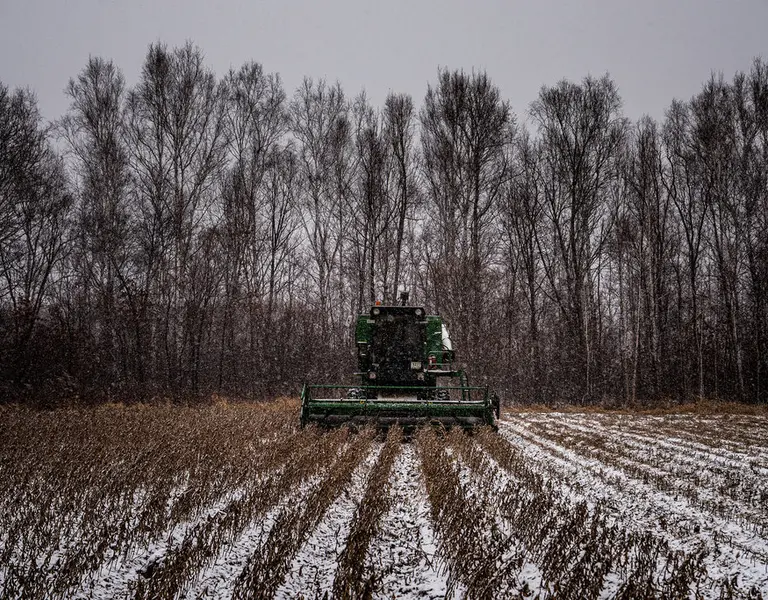
The Volga region and Siberia offer vast expanses of uncultivated land, with great potential for future farming. While these regions face challenges such as harsh climates and limited infrastructure, advancements in agricultural technology are making it possible to reclaim these lands for grain and livestock farming.
5. Challenges in Reclaiming Soviet-Era Farmlands 🛑
While reclaiming abandoned farmlands holds immense potential, several challenges remain in making these lands fully productive again.
Key Challenges:
- Soil Degradation: Many of the abandoned lands suffer from erosion and nutrient depletion, making it difficult to achieve high crop yields without significant soil rehabilitation efforts.
- Lack of Infrastructure: In remote regions, there is often insufficient infrastructure, including roads, storage facilities, and irrigation systems. This makes it difficult to transport crops to markets or maintain consistent water supplies.
- Weather Variability: Climate change is leading to more unpredictable weather patterns, including droughts and heatwaves in some areas. Farmers must adapt to these challenges through irrigation systems and climate-resilient crops.
- Investment Costs: The initial costs of land reclamation can be high, especially when it comes to land clearing, soil rehabilitation, and building new infrastructure. Farmers often rely on government subsidies and private investments to make these projects financially viable.
6. The Future of Reclaimed Farmlands in Russia: A Path to Food Security 🌍
As the reclamation of Soviet-era farmlands continues, the potential for Russia’s agricultural sector to expand is immense. By bringing millions of hectares of idle land back into production, Russia can strengthen its position in global food markets and enhance domestic food security.
The Future Outlook:
- Increased Wheat Production: With more reclaimed farmland, Russia is expected to boost its wheat production capacity, increasing exports to key markets in Asia, Europe, and the Middle East.
- Climate-Resilient Farming: As climate change introduces more challenges, Russian farmers are likely to adopt climate-resilient crops and advanced farming techniques to ensure the continued productivity of reclaimed lands.
- Sustainable Agriculture: To prevent further soil degradation and ensure long-term productivity, sustainable farming practices such as no-till farming and crop rotation will become increasingly important on reclaimed farmlands.
- Food Security Leadership: By expanding its agricultural capacity through land reclamation, Russia can contribute significantly to global food security, helping to meet the growing global demand for grains and other staple crops. 🌾
Frequently Asked Questions (FAQs) 🔍
1. Why were Soviet-era farmlands abandoned?
After the collapse of the Soviet Union in 1991, many collective farms were abandoned due to economic collapse, political instability, and the end of state-run agricultural systems. These lands were left idle for decades. 🏞️
2. What is the importance of reclaiming abandoned farmlands in Russia?
Reclaiming these farmlands helps boost Russia’s food production, supports global food security, and contributes to rural economic growth. It also reduces Russia’s reliance on imported agricultural goods. 🌍
3. How is Russia reclaiming abandoned farmlands?
Russia is reclaiming these lands through modern agricultural technology, soil rehabilitation, improved irrigation systems, and government subsidies that support farmers in restoring and cultivating the land. 🚜
4. Which regions in Russia are being targeted for farmland reclamation?
Key regions include Southern Russia (Krasnodar, Rostov), Central Russia (Voronezh, Belgorod), and Siberia. These areas were historically productive and are now being revived for modern agriculture. 🌾
5. What challenges exist in reclaiming Soviet-era farmlands?
Challenges include soil degradation, lack of infrastructure, unpredictable weather patterns, and the high cost of land rehabilitation and modernization. 🛑
6. What is the future outlook for Russia’s reclaimed farmlands?
With continued investment and modernization, reclaimed farmlands in Russia are expected to significantly increase wheat production and enhance Russia’s role in global food markets. Sustainable farming practices will be crucial for long-term success. 🌱
Conclusion: Russia’s Farmland Reclamation – A New Agricultural Frontier 🌾🌍
Reclaiming the vast abandoned Soviet-era farmlands offers Russia a unique opportunity to expand its agricultural sector and contribute to global food security. With a combination of modern farming techniques, government support, and innovative strategies, Russia is transforming these idle lands into productive agricultural powerhouses. 🌱
Despite the challenges, the reclamation of these lands holds immense potential for increasing grain production, boosting rural economies, and ensuring the country’s self-sufficiency in food. As we move forward, the continued success of this initiative will play a pivotal role in shaping the future of global agriculture and Russia’s place within it. 🌾🌍
How to Increase the Resilience of Agricultural Systems to Extreme Events
Integrated Pest Management with a Preventive, Not Reactive, Approach

Blockchain in Agriculture: Real Traceability and Adoption Challenges

When Was Vertical Farming Invented? A Complete History of Vertical Agriculture
Cannabis HVAC Design: How to Build Efficient and Compliant Grow Facilities

Aeroponic Farming Systems: High-Efficiency Soilless Agriculture
You might like...