
Table
- Understanding Integrated Pest Management
- The Core Principles of a Preventive IPM Strategy
- Preventive Tools and Practices in IPM
- The Role of Selective Chemical Control
- Integrated Pest Management and Environmental Sustainability
- Economic Benefits of a Preventive Approach
- Technology as an Enabler of Preventive IPM
- Challenges to Adoption
- Real-World Applications and Lessons
- The Future of Preventive Pest Management
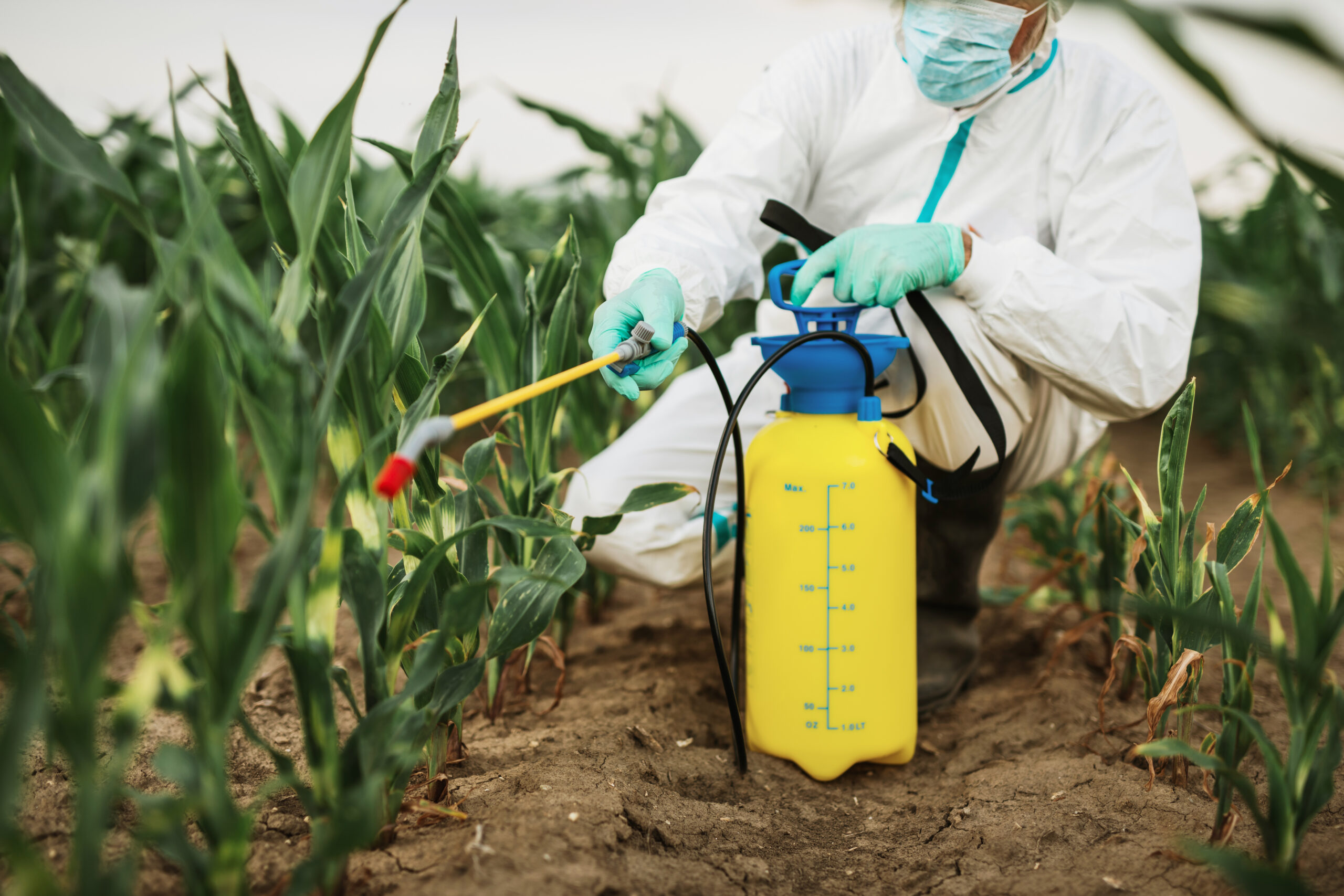
However, this reactive mindset has revealed its limitations. Resistance development, environmental degradation, and rising input costs have forced the agricultural sector to rethink how pests are managed. In response, Integrated Pest Management has emerged as a science-based, sustainable framework that prioritizes prevention over reaction.
This article explores how a preventive approach to pest management works in practice, why it is more effective in the long term, and how producers can implement it to build resilient and productive cropping systems.
Understanding Integrated Pest Management
What Is Integrated Pest Management?
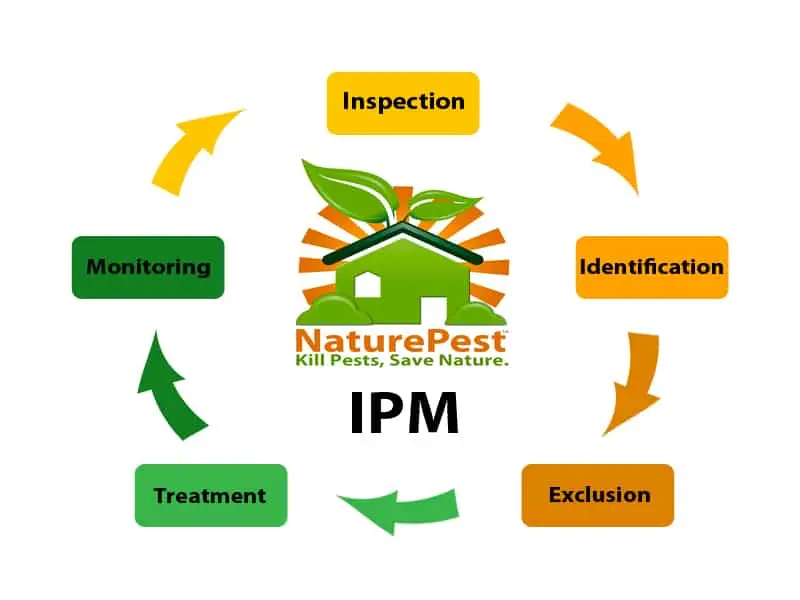
Integrated Pest Management (IPM) is a holistic decision-making process that combines biological, cultural, physical, and chemical tools to manage pest populations in an economically and environmentally sound manner. Rather than aiming for complete pest eradication, IPM focuses on keeping pest populations below levels that cause economic harm.
This approach recognizes that pests are part of agricultural ecosystems and that long-term control depends on balance rather than constant intervention.
Why Prevention Matters More Than Reaction
Reactive pest control typically begins after visible crop damage occurs. By this stage, yield loss may already be inevitable, and emergency treatments often rely on broad-spectrum pesticides. Preventive strategies, in contrast, aim to reduce the likelihood of pest outbreaks before they happen.
Prevention reduces dependency on chemical inputs, lowers production risks, and supports ecosystem stability—key factors for sustainable agriculture.
The Core Principles of a Preventive IPM Strategy
Monitoring and Early Detection
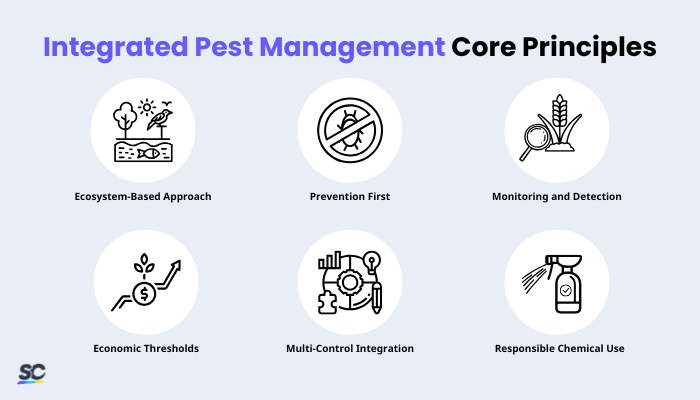
Effective pest management begins with systematic monitoring. Regular field scouting, pheromone traps, and digital monitoring tools allow producers to detect pest presence early and track population trends over time.
Early detection enables informed decision-making and prevents unnecessary interventions when pest levels remain below economic thresholds.
Economic Thresholds as Decision Triggers
One of the defining features of Integrated Pest Management is the use of economic thresholds. These thresholds represent the point at which the cost of pest damage exceeds the cost of control.
By treating only when thresholds are reached, farmers avoid routine pesticide applications and reduce selection pressure for resistance.
Understanding Pest Life Cycles
Preventive management relies on knowledge of pest biology and behavior. Understanding life cycles, reproduction patterns, and seasonal dynamics allows interventions to target vulnerable stages, increasing effectiveness while minimizing disruption to beneficial organisms.
Preventive Tools and Practices in IPM
Cultural Control Methods
Cultural practices form the foundation of prevention. These include crop rotation, adjusted planting dates, resistant varieties, and proper irrigation management. Such practices reduce pest habitat suitability and disrupt pest life cycles.
For example, rotating crops can break the reproduction cycle of soil-borne pests, while optimized planting dates can help crops avoid peak pest pressure periods.
Biological Control and Beneficial Organisms
Encouraging natural enemies such as predators, parasitoids, and pathogens is a cornerstone of preventive pest management. Conservation of beneficial insects through habitat diversification and reduced pesticide use enhances natural pest suppression.
In some systems, augmentative biological control—introducing beneficial organisms—can further strengthen pest regulation.
Physical and Mechanical Controls
Physical barriers, traps, and mechanical removal provide non-chemical options for preventing pest establishment. These methods are particularly effective in high-value crops and controlled environments such as greenhouses.
The Role of Selective Chemical Control
Chemicals as a Last Resort
In a preventive IPM framework, chemical controls are used selectively and strategically. When necessary, products with targeted modes of action and lower environmental impact are preferred.
This approach preserves the effectiveness of pesticides, protects beneficial organisms, and reduces the risk of resistance development.
Resistance Management
Overreliance on chemical control accelerates resistance. Integrated strategies that rotate modes of action and combine non-chemical tools slow resistance evolution and extend the lifespan of available products.
Integrated Pest Management and Environmental Sustainability
Preventive pest management contributes directly to environmental sustainability. Reduced pesticide use lowers contamination of soil and water resources and minimizes harm to non-target species.
Healthier agroecosystems are more resilient to stressors such as climate variability, invasive species, and emerging pests.
Organizations such as the United States Environmental Protection Agency (EPA) and the Centre for Agriculture and Bioscience International (CABI) promote IPM as a key component of sustainable food systems.
Economic Benefits of a Preventive Approach
While preventive strategies may require more planning and monitoring, they often reduce long-term costs. Lower input expenses, fewer emergency treatments, and improved yield stability contribute to better economic outcomes.
Producers who adopt Integrated Pest Management frequently report improved decision confidence and reduced financial risk, particularly in volatile climatic conditions.
Technology as an Enabler of Preventive IPM
Digital Monitoring and Decision Support
Advances in precision agriculture have enhanced preventive pest management. Remote sensing, predictive models, and decision-support systems allow producers to anticipate pest outbreaks based on weather patterns and historical data.
These tools transform IPM from a reactive practice into a proactive management strategy.
Data-Driven Pest Forecasting
By analyzing long-term datasets, predictive models can identify high-risk periods and locations, enabling targeted interventions before economic damage occurs.
Challenges to Adoption
Knowledge and Training Requirements
Implementing a preventive approach requires technical knowledge and consistent monitoring. Limited access to extension services and training can slow adoption, particularly among small-scale producers.
Short-Term Mindset Barriers
Preventive benefits are often realized over multiple seasons, while costs may be immediate. Shifting from short-term solutions to long-term planning requires changes in mindset and support from advisory services.
Real-World Applications and Lessons
Research institutions such as the University of California Integrated Pest Management Program have demonstrated that preventive IPM strategies reduce pesticide use without compromising productivity.
The Future of Preventive Pest Management
As climate change alters pest dynamics and global regulations tighten around pesticide use, preventive strategies will become increasingly important. Integrated approaches that combine ecology, technology, and agronomic knowledge offer a resilient path forward.
Rather than responding to crises, agriculture can move toward anticipation, adaptation, and prevention.
A preventive approach to pest control represents a fundamental shift in agricultural management. By focusing on monitoring, ecosystem balance, and informed decision-making, Integrated Pest Management reduces risk while supporting productivity and sustainability.
Moving away from reactive interventions allows farmers to build more resilient systems capable of withstanding future challenges. When prevention becomes the priority, pest management evolves from a constant battle into a strategic, data-driven process.
How to Increase the Resilience of Agricultural Systems to Extreme Events
Blockchain in Agriculture: Real Traceability and Adoption Challenges

When Was Vertical Farming Invented? A Complete History of Vertical Agriculture
Cannabis HVAC Design: How to Build Efficient and Compliant Grow Facilities

Aeroponic Farming Systems: High-Efficiency Soilless Agriculture

Winemakers Are Building Grape-Picking Robots: How Automation Is Reshaping the Wine Industry
You might like...