

1. Introduction
Table
- 1. Introduction
- 2. Historical Background: The Legacy of Soviet Agriculture
- 3. Post-Soviet Transition and Agricultural Decline
- 4. Reclamation Efforts and Policy Initiatives
- 5. Case Studies of Successful Farmland Conversion
- 6. Technological Innovation in Modern Crop Production
- 7. Economic and Social Impacts of Land Reclamation
- 8. Challenges and Lessons Learned
- 9. Future Outlook for Eastern European Agriculture
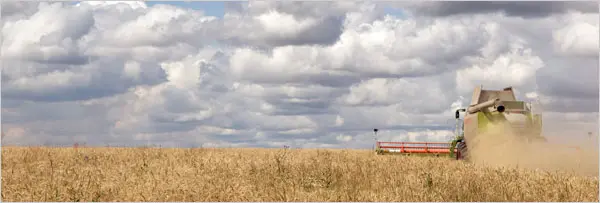
Across Eastern Europe, millions of hectares of once-fertile farmland were abandoned following the collapse of the Soviet Union. Decades of neglect left these lands overgrown, degraded, or simply forgotten. Today, a new generation of farmers, investors, and agricultural cooperatives are reclaiming Soviet-era farmland and transforming it into productive, high-tech systems. This transformation reflects a broader regional trend toward agricultural modernization, sustainability, and global competitiveness.
This article—“Reclaiming Soviet-era Farmland: Cases of Successful Conversion to Modern Crops”—explores how reclamation efforts have revitalized rural economies, restored soil fertility, and integrated advanced technologies into formerly collective farms. It highlights successful case studies and the strategies driving this agricultural renaissance.
According to the Food and Agriculture Organization (FAO) Europe Office, over 12 million hectares of post-Soviet land have been successfully restored for productive use since 2000, particularly in Ukraine, Kazakhstan, and the Baltic States.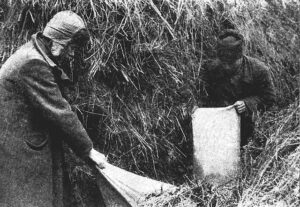
2. Historical Background: The Legacy of Soviet Agriculture
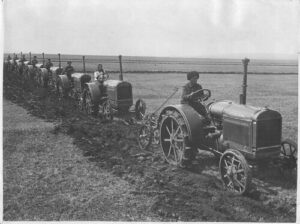
During the Soviet era, agriculture was characterized by centralized planning, collective ownership (kolkhozes), and massive-scale production. While the system achieved food security and mechanization, it was plagued by inefficiencies, poor soil management, and lack of local autonomy.
By the 1980s, declining yields and overexploitation of land had already degraded millions of hectares. Following the Soviet collapse in 1991, many collective farms disintegrated, leaving fields idle. Rural depopulation accelerated, and infrastructure—irrigation systems, storage facilities, and roads—fell into disrepair.
In the decades that followed, governments and international organizations sought ways to revive this abandoned farmland, balancing economic recovery with environmental restoration.
3. Post-Soviet Transition and Agricultural Decline
The early 1990s marked a turbulent transition. Privatization policies fragmented land ownership, often without proper legal or technical support. Many smallholders lacked capital, equipment, or access to markets. As a result, productivity plummeted, and millions of hectares were left fallow.
Countries such as Ukraine, Russia, and Kazakhstan faced unique challenges—large tracts of steppe land required significant investment to restore fertility and infrastructure. Nevertheless, by the early 2000s, new waves of agribusiness investment began to change the landscape, introducing modern equipment, hybrid seeds, and precision agriculture technologies.
Reports from the World Bank Agriculture and Food Division note that targeted land reform and improved property rights were crucial in attracting both domestic and foreign investment to post-Soviet farmland.
4. Reclamation Efforts and Policy Initiatives
Reclaiming Soviet-era farmland has required coordinated policy frameworks and long-term planning. Governments across Eastern Europe have introduced initiatives to incentivize land restoration and modernization. Key approaches include:
- Land Consolidation Programs: Simplifying fragmented ownership structures to enable efficient farm management.
- Infrastructure Rehabilitation: Restoring irrigation systems, drainage, and rural roads to support large-scale farming.
- Investment Incentives: Tax breaks, credit programs, and public-private partnerships to attract agribusiness investors.
- Environmental Restoration: Promoting sustainable soil management and crop rotation to reverse degradation.
- Education and Training: Supporting agricultural universities and technical schools to develop skilled labor.
For example, the European Commission’s Common Agricultural Policy (CAP) has funded multiple cross-border initiatives aimed at improving productivity while maintaining ecological balance.
5. Case Studies of Successful Farmland Conversion
Case Study 1: Ukraine’s Dnipro Agro Region
In the Dnipro region, vast tracts of abandoned collective farms have been converted into high-yield wheat, sunflower, and barley fields using modern machinery and GPS-guided tractors. Investment from private agro-holdings has helped restore over 300,000 hectares since 2010. Yields have nearly doubled, and exports have surged thanks to new grain terminals and digital logistics systems.
Case Study 2: Kazakhstan’s Northern Steppe
Kazakhstan’s steppe lands, once part of the “Virgin Lands Campaign,” suffered severe soil erosion during the Soviet period. Modern reclamation efforts—supported by no-till farming, precision seeding, and AI-driven monitoring—have restored fertility and reduced carbon emissions. These lands now produce climate-resilient wheat varieties adapted to semi-arid conditions.
Case Study 3: The Baltic States’ Sustainable Transformation
Latvia and Lithuania have focused on small-scale but high-value modernization. Former collective farms are now diversified operations producing organic grains, berries, and vegetables. Digital platforms connect farmers directly with European markets, promoting sustainable business models aligned with EU green policies.
Case Study 4: Russia’s Volga Region
In the Volga Federal District, regional authorities have partnered with private investors to rehabilitate degraded land through soil amendment programs and smart irrigation systems. The introduction of IoT-based monitoring has cut water waste by 30% while boosting yields of corn and rapeseed.
6. Technological Innovation in Modern Crop Production
Technology plays a central role in transforming reclaimed farmland into productive and sustainable enterprises. Key innovations include:
- Precision Agriculture: Using GPS, drones, and IoT sensors to optimize planting, irrigation, and fertilization.
- AI-Powered Analytics: Machine learning models analyze soil data and weather patterns to predict optimal crop cycles.
- Drone Surveillance: Aerial imaging identifies soil health variations and pest outbreaks early.
- Renewable Energy Integration: Solar-powered irrigation systems reduce energy costs and carbon emissions.
Many reclaimed farms have become testbeds for SmartAgriHubs projects, integrating digital tools with traditional farming knowledge to maximize efficiency and sustainability.
Reclaiming Soviet-era farmland has brought wide-ranging economic and social benefits to rural communities. Key outcomes include:
7.1. Job Creation and Rural Revitalization
Reclamation projects have revived employment opportunities, reversing decades of rural depopulation. Modern farms now offer stable jobs in machinery operation, data analysis, logistics, and agronomy.
7.2. Export Growth and Economic Diversification
Eastern European countries have become major grain exporters, contributing to regional food security and global trade. Reclaimed farmland plays a key role in these exports, supplying high-quality crops to Europe, Asia, and the Middle East.
7.3. Environmental Recovery
Sustainable farming practices—cover cropping, crop rotation, and organic amendments—have restored soil health and biodiversity. Reclaimed wetlands and buffer zones now act as natural filters against agricultural runoff.
New agricultural cooperatives and digital marketplaces have empowered local farmers. By embracing transparency and traceability, these systems increase trust and resilience in the supply chain.
8. Challenges and Lessons Learned
Despite progress, several challenges remain in reclaiming and maintaining the productivity of Soviet-era farmland:
- Soil Degradation: Some areas require extensive remediation and organic matter recovery.
- Land Ownership Disputes: Inconsistent property records still hinder consolidation in parts of Eastern Europe.
- Infrastructure Gaps: In remote areas, poor roads and outdated irrigation systems limit access to markets.
- Financial Barriers: Smallholders often lack access to credit and insurance products for long-term investment.
- Climate Risks: Increasing drought frequency poses new challenges for sustainability.
Addressing these obstacles requires multi-stakeholder collaboration between governments, agribusiness, and development organizations. Shared knowledge networks and regional innovation clusters are key for scaling success.
9. Future Outlook for Eastern European Agriculture
The future of post-Soviet farmland lies in balancing productivity with sustainability. Key trends shaping the next decade include:
- Expansion of regenerative agriculture practices and carbon farming.
- Wider adoption of AI and robotics for autonomous field operations.
- Increased investment in rural broadband and digital literacy programs.
- Integration of blockchain systems for transparent land management and crop traceability.
- Cross-border cooperation in food innovation and green technologies.
As Eastern Europe continues to modernize its agricultural base, reclaimed farmland will play a central role in ensuring food security, environmental protection, and economic resilience in a changing climate.
Reclaiming Soviet-era Farmland: Cases of Successful Conversion to Modern Crops illustrates how a complex history of decline can be transformed into a model of renewal. Through investment, innovation, and sustainable practices, countries once burdened by inefficient agricultural systems are now global contributors to food and energy security.
These success stories show that reclaiming land is not merely about restoring production—it’s about rebuilding communities, ecosystems, and economic opportunity. As digital technologies and green strategies advance, the revitalization of post-Soviet farmland stands as a powerful example of resilience and reinvention in modern agriculture.
Data Management in the Dairy Industry: What to Measure and Why
Wearable Technologies Applied to Livestock Management
Jill MacMillan: Engineering Innovation in Modern Farm Technology
Cannabis HVAC Design: How to Build Efficient and Compliant Grow Facilities

First FDA-Approved Solution Targets New World Screwworm in Cattle Herd

The Role of AI-Powered Drones in the Early Detection of Pests in Extensive Crops
You might like...