
Table
- Understanding Agricultural Resilience
- Key Drivers of Vulnerability in Agricultural Systems
- Strengthening Soil and Water Management
- Diversification as a Core Resilience Strategy
- Climate-Smart Agronomic Practices
- The Role of Technology and Data
- Economic and Institutional Dimensions of Resilience
- Building Learning and Adaptive Capacity
- Long-Term Perspectives on Agricultural Resilience
In this context, building the resilience of agricultural systems has become a strategic priority rather than a long-term aspiration. Resilience determines whether farming systems can absorb shocks, adapt to changing conditions, and continue to function without collapsing under stress.
This article examines what agricultural resilience truly means, why it matters, and how producers, advisors, and policymakers can strengthen farming systems to withstand extreme events through practical, evidence-based approaches.
Understanding Agricultural Resilience
What Does Resilience Mean in Agriculture?
Resilience in agriculture refers to the capacity of farming systems to anticipate, withstand, recover from, and adapt to external shocks while maintaining core functions such as productivity, income generation, and ecosystem services.
Unlike short-term risk management, resilience emphasizes long-term system health, flexibility, and learning. It acknowledges uncertainty and focuses on building adaptive capacity rather than attempting to eliminate risk entirely.
Why Extreme Events Are a Growing Threat
Climate variability has intensified both the frequency and severity of extreme weather events. Research synthesized by the Intergovernmental Panel on Climate Change (IPCC) highlights agriculture as one of the most vulnerable sectors, particularly in regions dependent on rain-fed production.
Extreme events not only reduce yields but also damage infrastructure, degrade soils, and disrupt supply chains, compounding their long-term impact.
Key Drivers of Vulnerability in Agricultural Systems
Specialization and Lack of Diversity
Highly specialized systems focused on a narrow range of crops or livestock are often more efficient under stable conditions but less resilient when disruptions occur. Uniformity increases vulnerability to pests, diseases, and climate extremes.
Degraded Natural Resources
Soil degradation, water scarcity, and biodiversity loss reduce the buffering capacity of agricultural ecosystems. Poor soil structure, for example, limits water infiltration during heavy rainfall and reduces drought tolerance during dry periods.
Limited Access to Information and Resources
Farmers without access to timely climate information, financial tools, or technical support are less able to adapt proactively. This gap is particularly evident in smallholder systems.
Strengthening Soil and Water Management
Soil Health as a Foundation of Resilience
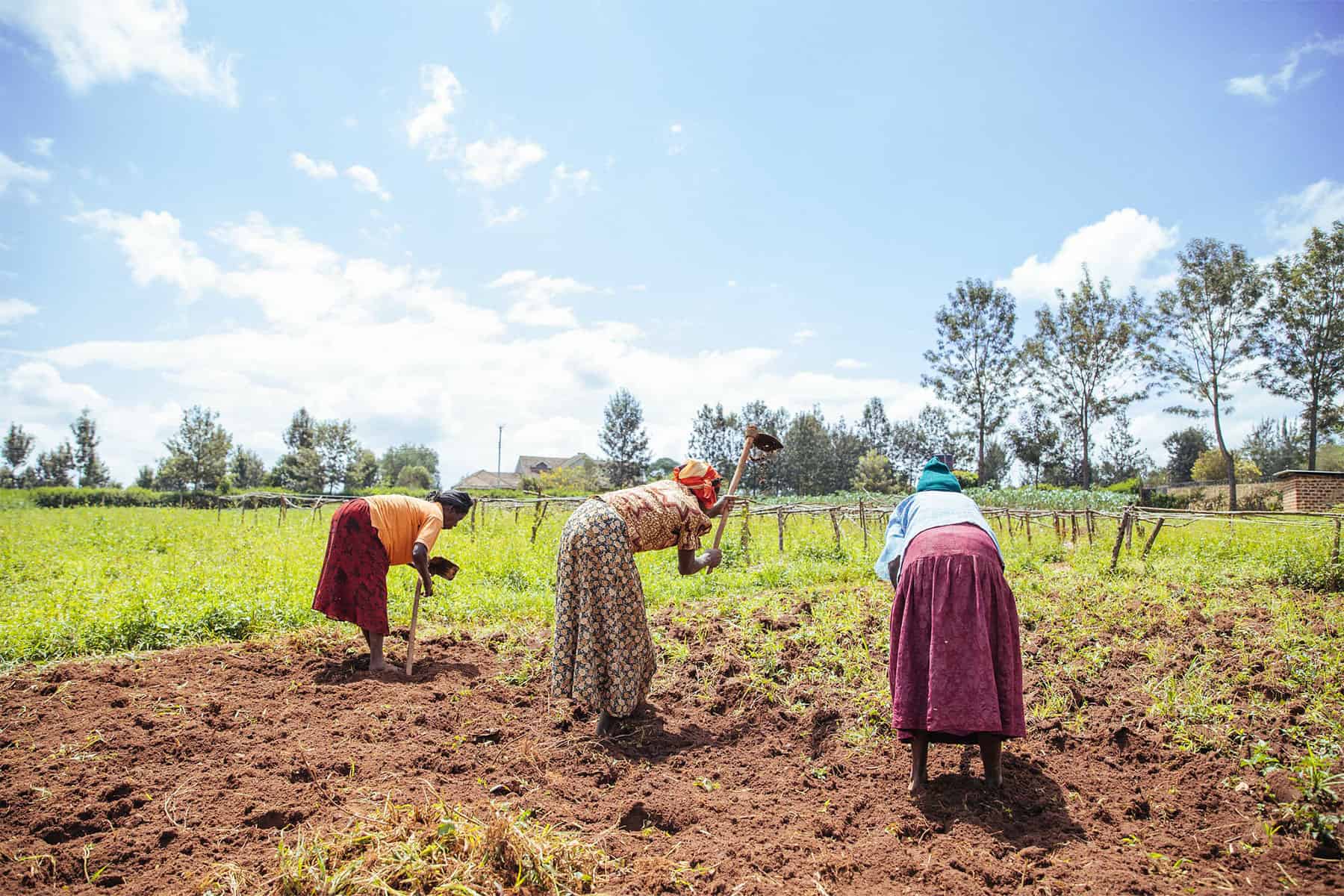
Healthy soils are central to the resilience of agricultural systems. Practices such as reduced tillage, cover cropping, and organic matter management improve soil structure, water retention, and nutrient cycling.
Adaptive Water Management Strategies
Efficient irrigation systems, rainwater harvesting, and improved drainage reduce vulnerability to both water scarcity and excess rainfall. Matching irrigation scheduling to crop needs and weather forecasts improves efficiency while conserving resources.
Diversification as a Core Resilience Strategy
Crop and Livestock Diversification
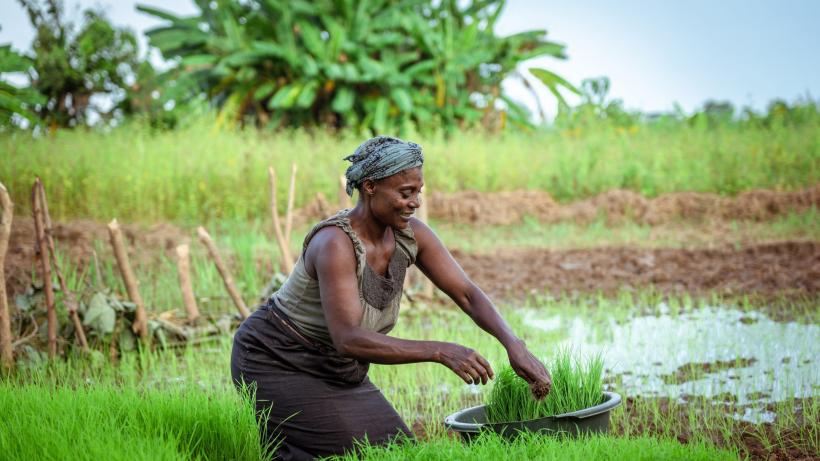
Diversification spreads risk by reducing dependence on a single crop or enterprise. Mixed cropping systems, intercropping, and integrated crop–livestock systems provide alternative income streams and stabilize production.
The CGIAR research network has documented how diversified systems recover more quickly from climate shocks than monoculture-based systems.
Genetic Diversity and Varietal Selection
Using a range of crop varieties with different tolerance traits—such as drought, heat, or flooding tolerance—enhances adaptive capacity. Genetic diversity acts as biological insurance against unpredictable conditions.
Climate-Smart Agronomic Practices
Adjusting Planting Dates and Crop Calendars
Shifting planting windows based on climate trends and seasonal forecasts can help crops avoid peak stress periods. Flexible crop calendars allow farmers to respond dynamically to changing conditions.
Integrated Pest and Disease Management
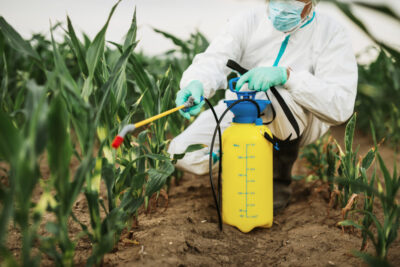
Extreme events often alter pest and disease dynamics. Preventive, integrated management approaches reduce the likelihood of outbreaks following climatic stress and help maintain system stability.
The Role of Technology and Data
Early Warning and Climate Information Systems
Access to reliable weather forecasts and early warning systems enables proactive decision-making. Climate services supported by organizations such as the World Meteorological Organization help farmers anticipate risks and plan accordingly.
Decision Support Tools
Digital tools that integrate climate, soil, and crop data support scenario planning and adaptive management. These systems allow farmers to test strategies virtually before implementing them in the field.
Economic and Institutional Dimensions of Resilience
Financial Risk Management
Insurance schemes, savings mechanisms, and diversified income sources reduce financial vulnerability to extreme events. When combined with resilient production practices, these tools strengthen overall system stability.
Policy and Advisory Support
Public policies that incentivize sustainable practices, support extension services, and invest in rural infrastructure play a crucial role in enabling resilience at scale.
The OECD emphasizes that coherent policy frameworks are essential for supporting long-term adaptation in agriculture.
Building Learning and Adaptive Capacity
Monitoring and Feedback Loops
Resilient systems rely on continuous learning. Monitoring outcomes and adjusting practices based on experience allows systems to evolve in response to new challenges.
Knowledge Sharing and Collaboration
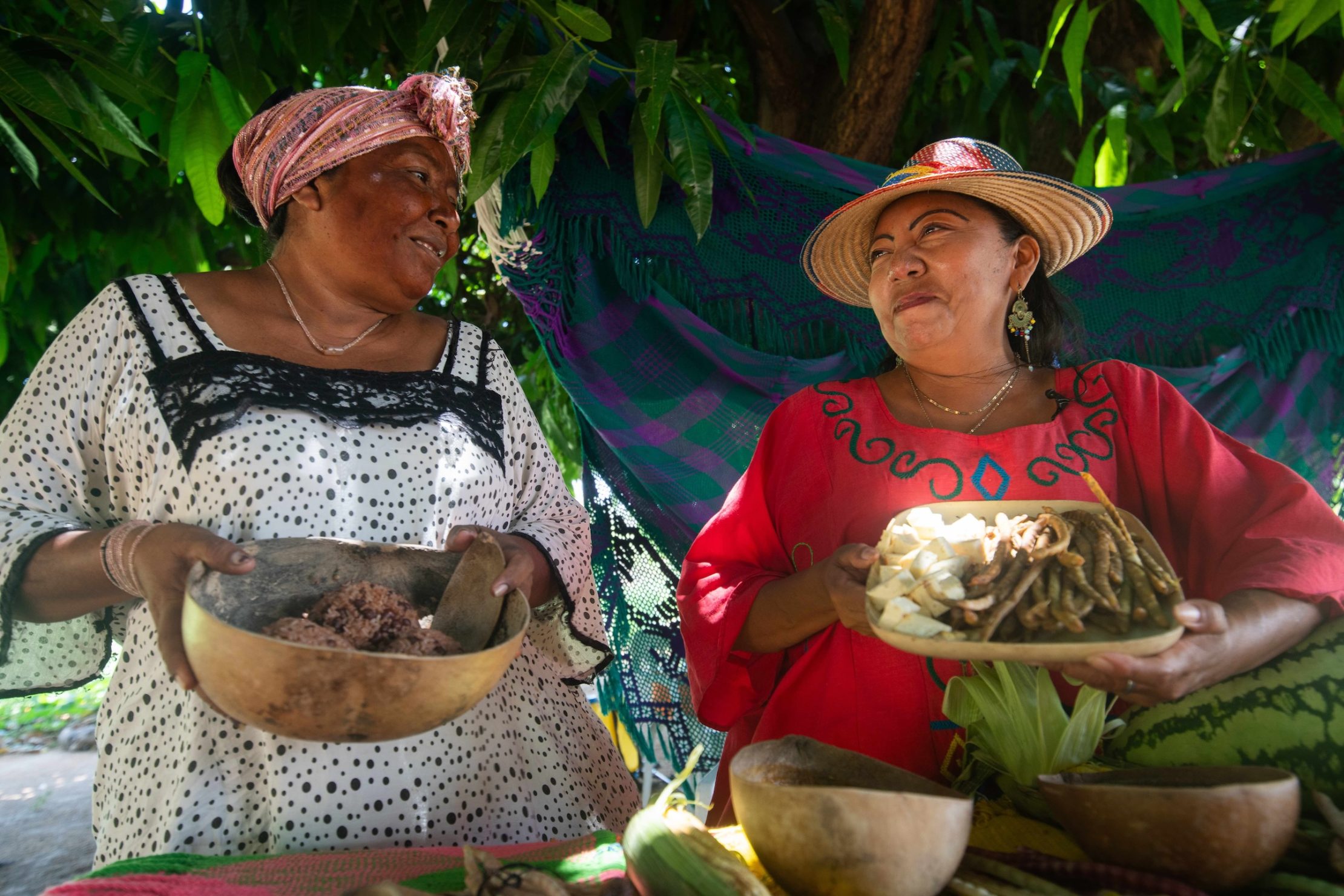
Farmer networks, cooperatives, and participatory research platforms facilitate knowledge exchange and collective problem-solving, accelerating adaptation across regions.
Long-Term Perspectives on Agricultural Resilience
Building the resilience of agricultural systems is not a one-time intervention but an ongoing process. As climate risks evolve, so must management strategies, technologies, and institutional arrangements.
Resilience-oriented agriculture prioritizes flexibility, diversity, and system health over short-term optimization, ensuring that food production systems remain viable under increasing uncertainty.
Extreme events will continue to challenge agricultural systems worldwide, but their impacts are not inevitable. By strengthening soils, diversifying production, leveraging climate information, and aligning economic and institutional support, farmers can significantly improve the resilience of agricultural systems.
Rather than reacting to crises as they occur, resilience-focused strategies enable agriculture to anticipate change, absorb shocks, and adapt proactively. This shift is essential for ensuring food security, environmental sustainability, and rural livelihoods in an increasingly volatile world.
Integrated Pest Management with a Preventive, Not Reactive, Approach
Blockchain in Agriculture: Real Traceability and Adoption Challenges

When Was Vertical Farming Invented? A Complete History of Vertical Agriculture
Cannabis HVAC Design: How to Build Efficient and Compliant Grow Facilities

Aeroponic Farming Systems: High-Efficiency Soilless Agriculture

Winemakers Are Building Grape-Picking Robots: How Automation Is Reshaping the Wine Industry
You might like...