

Table
- The Changing Reality of Vineyard Labor
- Why Winemakers Are Turning to Robotics
- How Grape-Picking Robots Work
- From Mechanical Harvesters to Intelligent Robots
- Benefits for Wine Quality
- Sustainability and Environmental Impact
- Economic Considerations for Vineyards
- Small Vineyards vs. Large Estates
- Human Expertise Still Matters
- Challenges and Limitations
- The Role of AI and Data in the Future
- Global Adoption Trends
- What This Means for the Future of Winemaking
- Conclusion
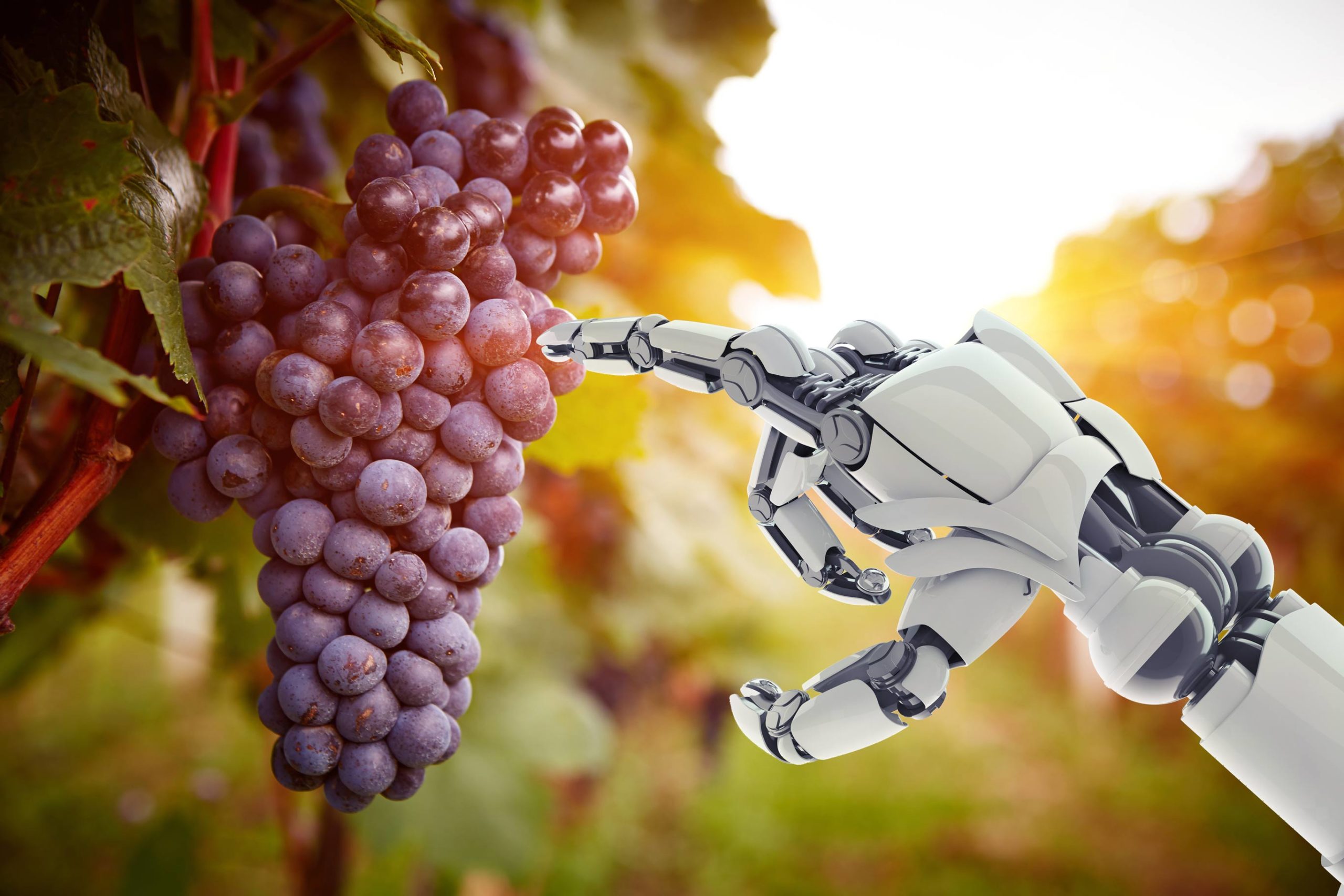
For centuries, winemaking has balanced tradition, craftsmanship, and a deep connection to the land. From hand-pruned vines to manual harvesting, human labor has long been central to vineyard operations. Yet today, a profound shift is underway. Across the world’s most respected wine regions, winemakers are building grape-picking robots to address labor shortages, increase efficiency, and adapt to a rapidly changing agricultural landscape.
The Changing Reality of Vineyard Labor
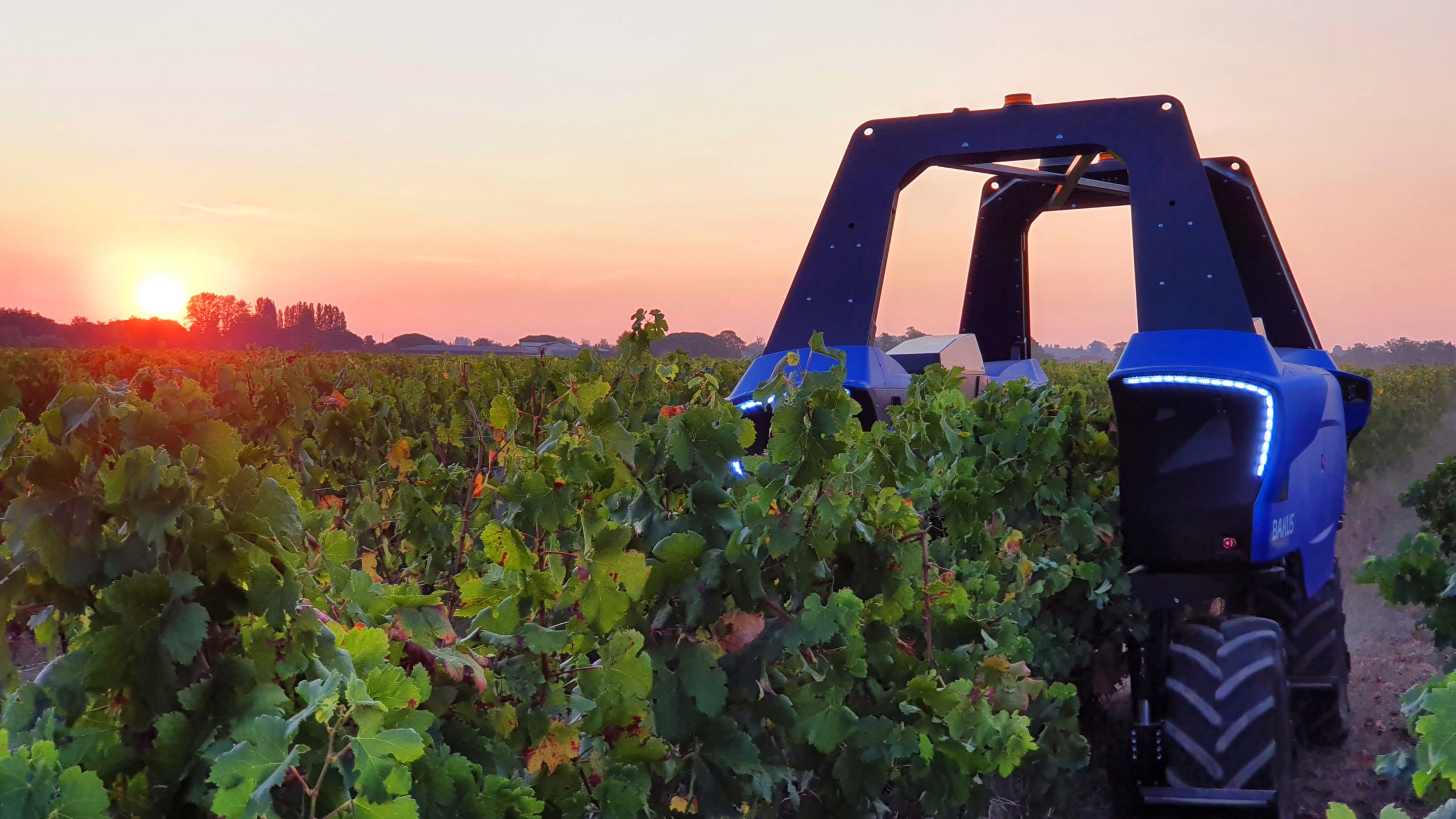
Labor availability has become one of the most critical challenges in modern viticulture. Seasonal vineyard work is physically demanding, time-sensitive, and increasingly difficult to staff. Many wine-producing regions report chronic shortages of skilled harvest workers, particularly during peak harvest windows when timing is crucial for grape quality.
According to agricultural labor studies referenced by the Food and Agriculture Organization (FAO), rural labor forces are shrinking globally due to urban migration and aging populations. For vineyards, this reality translates into higher costs, operational uncertainty, and increased risk of missed harvest windows.
Why Harvest Timing Matters So Much
Unlike many crops, wine grapes must be harvested at a precise moment when sugar levels, acidity, and phenolic maturity align. Delays of even a few days can alter wine style, alcohol content, and overall quality. Automation offers a way to reduce dependence on unpredictable labor availability while preserving harvest precision.
Why Winemakers Are Turning to Robotics
The decision to automate harvesting is rarely driven by a single factor. Instead, it reflects a convergence of economic, environmental, and operational pressures. As winemakers are building grape-picking robots, they are responding to both immediate challenges and long-term strategic needs.
Key Drivers of Adoption
- Persistent labor shortages and rising wages
- Need for rapid harvesting during narrow optimal windows
- Desire for consistent quality and reduced human error
- Pressure to improve sustainability and efficiency
Robotic systems are increasingly viewed not as replacements for skilled vineyard workers, but as complementary tools that handle repetitive, labor-intensive tasks while human expertise focuses on quality control and winemaking decisions.
How Grape-Picking Robots Work
Modern grape-picking robots combine mechanical engineering, computer vision, artificial intelligence, and precision agriculture technologies. Unlike early mechanical harvesters, which were often aggressive and imprecise, today’s robotic systems are designed to mimic human picking behavior with remarkable accuracy.
Core Technologies Behind Robotic Harvesting
- High-resolution cameras and multispectral sensors
- AI-powered image recognition for grape clusters
- Robotic arms or soft grippers for gentle handling
- Autonomous navigation systems
Using real-time data, robots identify ripe grape clusters, assess canopy structure, and selectively harvest fruit without damaging vines. This level of precision is especially valuable for premium wine production, where fruit integrity directly influences final quality.
Selective Harvesting Capabilities
One of the most significant advancements is selective harvesting. Robots can be programmed to harvest only specific sections of a vineyard based on ripeness data, enabling staggered harvests that were previously impractical due to labor constraints.
From Mechanical Harvesters to Intelligent Robots
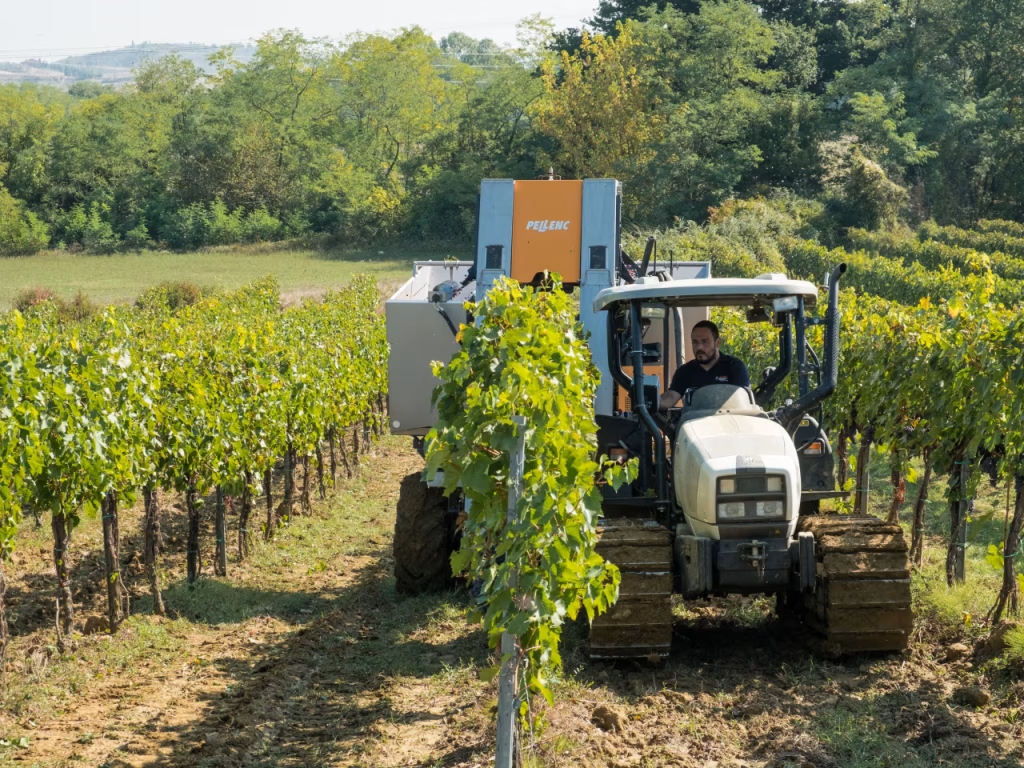
Mechanical grape harvesters have existed for decades, but they were traditionally associated with high-volume, lower-cost wine production. These machines often lacked the finesse required for premium vineyards and were unsuitable for certain terrains.
Today’s robotic systems represent a generational leap forward. As winemakers are building grape-picking robots, they are integrating advanced sensing and AI capabilities that allow machines to adapt to different vine training systems, slopes, and grape varieties.
Precision Over Speed
Unlike traditional mechanical harvesters, modern robots prioritize precision over raw speed. The goal is not simply to harvest faster, but to harvest smarter—preserving grape quality while optimizing efficiency.
Benefits for Wine Quality
One of the most common concerns surrounding automation is whether it compromises wine quality. In practice, many winemakers report the opposite effect when robotic systems are properly implemented.
Reduced Grape Damage
Advanced robotic grippers are designed to minimize bruising and berry rupture. By maintaining fruit integrity, oxidation and microbial risks are reduced before grapes reach the winery.
Consistency Across Harvests
Human crews can vary in speed and technique, especially under fatigue. Robots deliver consistent performance throughout long harvest periods, ensuring uniform handling across entire blocks.
Sustainability and Environmental Impact
Sustainability is a growing priority in viticulture, and robotics can play a meaningful role. By improving efficiency and precision, robotic harvesting supports more environmentally responsible vineyard management.
Research aligned with findings from the World Resources Institute emphasizes that precision agriculture technologies are essential for reducing resource use while maintaining productivity.
Lower Carbon Footprint
- Optimized routes reduce fuel consumption
- Electric or hybrid robotic platforms
- Fewer repeat passes through vineyards
When combined with renewable energy sources, robotic systems can significantly lower the carbon footprint of vineyard operations.
Economic Considerations for Vineyards
While the long-term benefits are compelling, the upfront investment required for robotic harvesting remains substantial. Vineyard owners must carefully evaluate return on investment based on scale, grape value, and labor costs.
Cost vs. Long-Term Value
- Initial equipment and integration costs
- Reduced dependence on seasonal labor
- Lower risk of harvest delays
- Improved yield and quality consistency
In regions with chronic labor shortages, many producers find that robotic systems pay for themselves over time by stabilizing operations and reducing uncertainty.
Small Vineyards vs. Large Estates
Adoption patterns vary significantly across the industry. Large estates and commercial producers often lead the way due to greater capital resources. However, smaller vineyards are increasingly accessing robotic technology through shared ownership models and service providers.
Robotics-as-a-Service Models
Some technology companies now offer robotic harvesting as a service, allowing vineyards to benefit from automation without full ownership. This model lowers barriers to entry and accelerates adoption across diverse production scales.
Human Expertise Still Matters
Despite technological advances, robotics cannot replace the intuition and experience of skilled viticulturists and winemakers. Instead, automation shifts human roles toward higher-value decision-making.
As winemakers are building grape-picking robots, they are redefining labor—not eliminating it. Vineyard managers focus more on data analysis, quality assessment, and long-term planning rather than manual harvesting alone.
New Skills in Modern Viticulture
- Data interpretation and system monitoring
- Technology maintenance and calibration
- Precision vineyard management
This evolution creates new career paths within the wine industry, blending agriculture with technology.
Challenges and Limitations
Despite rapid progress, robotic grape harvesting is not without limitations. Complex vineyard layouts, extreme slopes, and dense canopies can still present challenges for autonomous systems.
Technical and Operational Barriers
- High initial investment costs
- Integration with existing vineyard infrastructure
- Maintenance and technical expertise requirements
Ongoing research and field testing continue to address these challenges, with each generation of robots becoming more adaptable and reliable.
The Role of AI and Data in the Future
Artificial intelligence is central to the future of robotic harvesting. By combining historical yield data, weather forecasts, and real-time vineyard monitoring, robots can make increasingly sophisticated decisions.
Over time, these systems may not only harvest grapes but also provide insights into vine health, disease pressure, and yield forecasting—further integrating robotics into holistic vineyard management.
Global Adoption Trends
Wine regions in Europe, North America, and Australia are leading adoption, particularly in areas with strict labor regulations or high wage costs. However, interest is growing worldwide as technology becomes more accessible.
International research initiatives and collaboration between universities, technology firms, and wine producers are accelerating innovation across borders.
What This Means for the Future of Winemaking
The integration of robotics represents a pivotal moment in the evolution of winemaking. Rather than eroding tradition, automation offers a way to protect quality, heritage, and economic viability in a rapidly changing world.
As climate variability intensifies and labor challenges persist, technology will become an increasingly essential ally for vineyards seeking resilience and consistency.
Conclusion
The fact that winemakers are building grape-picking robots signals a fundamental shift in how the wine industry approaches production. Driven by necessity and enabled by innovation, robotic harvesting is redefining what is possible in modern viticulture.
By combining human expertise with intelligent machines, the wine industry is not abandoning its roots—it is ensuring they remain strong for generations to come.
When Was Vertical Farming Invented? A Complete History of Vertical Agriculture
Cannabis HVAC Design: How to Build Efficient and Compliant Grow Facilities

Aeroponic Farming Systems: High-Efficiency Soilless Agriculture

Vertical Farm Systems: Sustainable Indoor Agriculture

Wheat Crop Management: A Complete Guide to Sustainable Production and Higher Yields

The Role of AI-Powered Drones in the Early Detection of Pests in Extensive Crops
You might like...