
Table
- The Evolution of Livestock Monitoring
- What Are Wearable Technologies in Livestock Management?
- Key Applications in Livestock Management
- Benefits for Farmers and the Livestock Industry
- Role of Wearable Technologies in Sustainable Livestock Systems
- Challenges and Limitations
- Research and Institutional Support
- Future Trends in Livestock Wearables
- Ethical and Regulatory Considerations
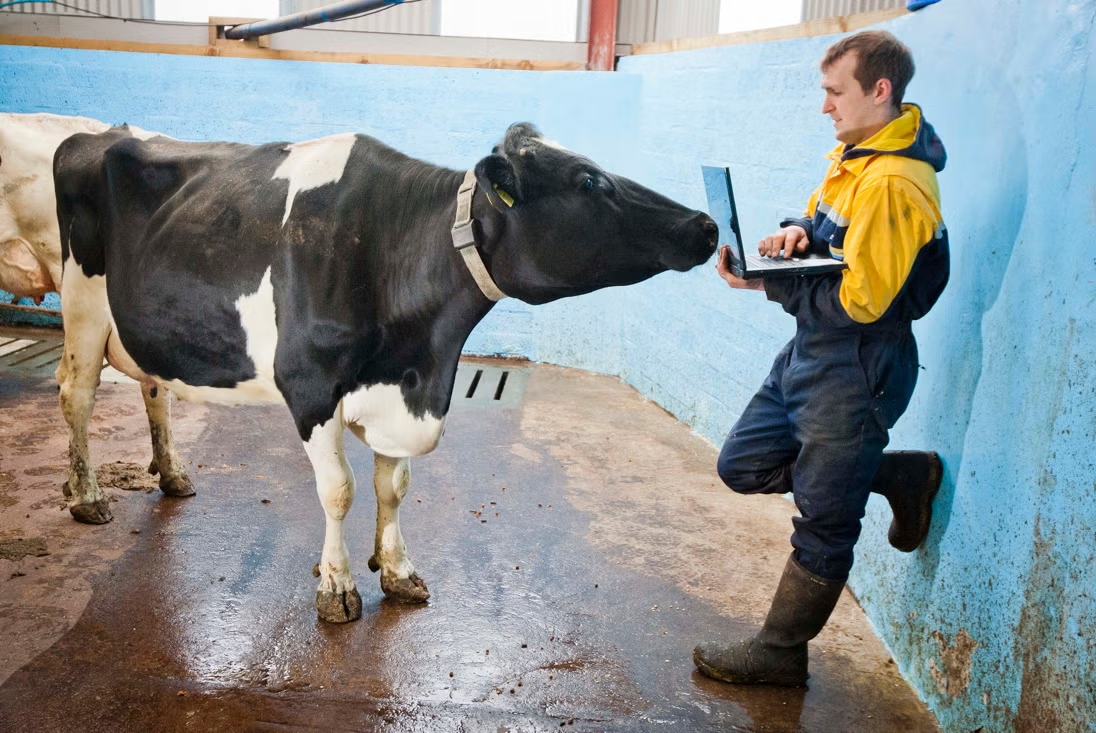
Wearable devices—once associated primarily with human health and fitness—are now being adapted for animals, enabling continuous monitoring of health, behavior, and environmental conditions. These tools provide farmers and livestock managers with actionable insights that were previously difficult or impossible to obtain through traditional observation alone.
This article explores how wearable solutions are applied in livestock systems, their benefits across different production models, and the challenges that must be addressed for widespread adoption.
The Evolution of Livestock Monitoring
From Visual Observation to Continuous Data
Historically, livestock management relied heavily on visual inspections and manual record-keeping. While experienced producers can detect obvious signs of illness or stress, subtle behavioral changes often go unnoticed until productivity declines or disease becomes advanced.
Wearable monitoring devices allow for continuous data collection, transforming livestock management from a reactive process into a proactive one. By identifying early warning signs, producers can intervene before problems escalate.
Why Precision Matters in Modern Livestock Systems
Modern livestock operations operate under tight margins and increasing regulatory scrutiny. Precision monitoring improves decision-making, optimizes resource use, and supports compliance with animal welfare standards. Data-driven management also helps align productivity goals with ethical and environmental considerations.
What Are Wearable Technologies in Livestock Management?
Types of Wearable Devices
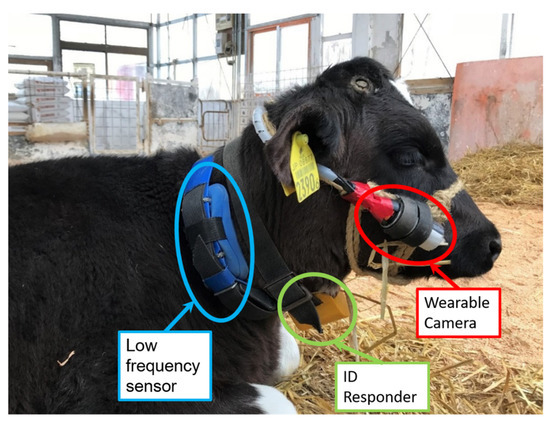
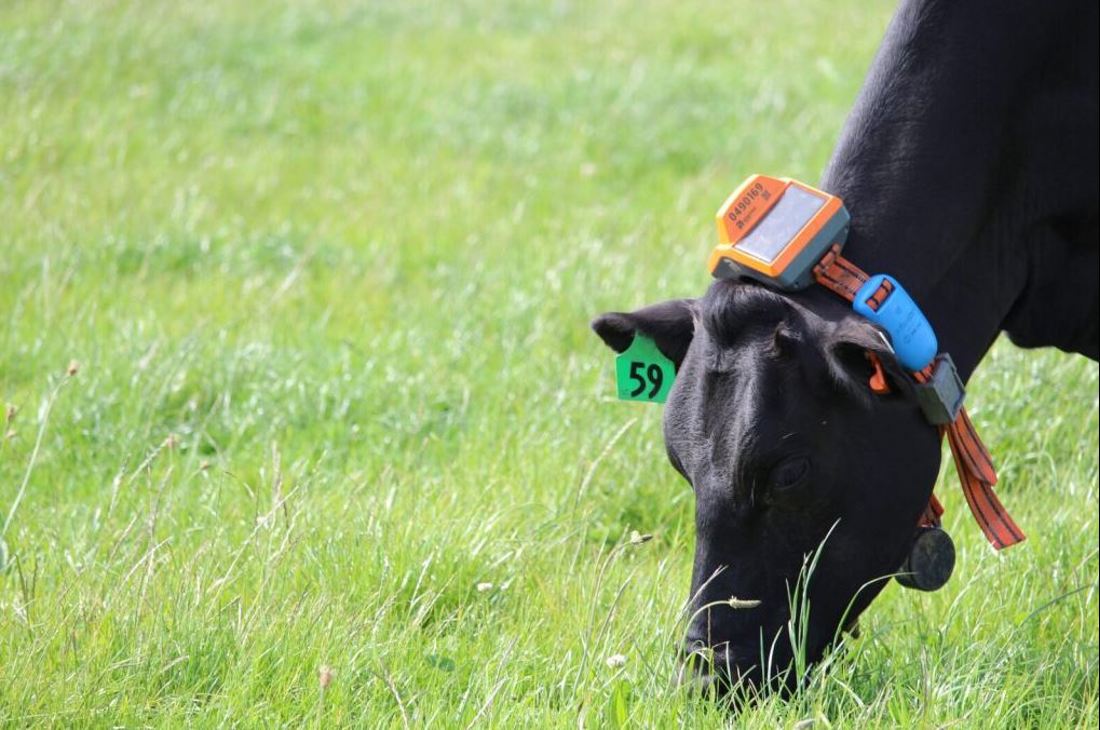
Wearable devices for livestock are typically attached to the animal in non-invasive ways. Common formats include collars, ear tags, leg bands, and boluses placed in the rumen. These devices are designed to withstand harsh environmental conditions while collecting reliable data.
Sensors embedded in wearables can measure parameters such as movement, body temperature, heart rate, rumination patterns, and location.
Data Collection and Transmission
Collected data is transmitted wirelessly to centralized platforms using technologies such as Bluetooth, LoRaWAN, or cellular networks. Advanced analytics convert raw data into insights that can be accessed via dashboards or mobile applications.
Key Applications in Livestock Management
Health Monitoring and Early Disease Detection
One of the most valuable applications of Wearable Technologies is early disease detection. Changes in activity levels, feeding behavior, or body temperature often precede visible clinical symptoms.
Early alerts enable timely veterinary intervention, reducing mortality, treatment costs, and the spread of infectious diseases within herds.
Reproductive Management
Detecting estrus accurately is critical for reproductive efficiency, particularly in dairy and beef operations. Wearable sensors can identify behavioral patterns associated with heat, improving insemination timing and increasing conception rates.
Animal Welfare Assessment
Continuous monitoring provides objective indicators of welfare, such as rest patterns, mobility, and stress levels. This data supports welfare audits and helps producers meet certification and market requirements.
Grazing and Movement Tracking
Location tracking enables better pasture management by monitoring grazing distribution and movement patterns. This supports rotational grazing strategies and reduces overgrazing, contributing to land sustainability.
Benefits for Farmers and the Livestock Industry
Improved Productivity and Efficiency
By identifying issues early and optimizing management decisions, wearable monitoring systems can improve feed efficiency, reproductive performance, and overall productivity. Automation reduces labor requirements and allows staff to focus on higher-value tasks.
Data-Driven Decision Making
Access to real-time data supports informed decisions based on trends rather than assumptions. Over time, historical data can be used to refine management strategies and improve long-term performance.
Enhanced Traceability and Transparency
Wearable-generated data can complement broader traceability systems by documenting animal health and management practices throughout the production cycle. This transparency strengthens trust among processors, retailers, and consumers.
Role of Wearable Technologies in Sustainable Livestock Systems
Sustainability in livestock production involves balancing productivity with environmental stewardship and animal welfare. Wearable monitoring contributes by improving resource efficiency and reducing unnecessary treatments.
Healthier animals require fewer medical interventions, lowering antibiotic use and supporting responsible antimicrobial stewardship.
Challenges and Limitations
Cost and Return on Investment
Initial investment costs for wearable systems can be significant, particularly for small and medium-sized producers. Demonstrating clear economic returns is essential to encourage adoption.
Data Management and Interpretation
Collecting data is only valuable if it can be effectively interpreted. Producers may require training and technical support to translate data into actionable decisions.
Device Durability and Animal Comfort
Wearables must be robust enough to withstand outdoor conditions while remaining comfortable and non-intrusive for animals. Poorly designed devices can cause stress or injury, undermining welfare goals.
Research and Institutional Support
Academic and research institutions are actively studying the impact of digital monitoring on livestock health and productivity. Organizations such as the International Livestock Research Institute and Wageningen University are contributing to evidence-based adoption strategies.
Future Trends in Livestock Wearables
Integration with Artificial Intelligence
The combination of sensor data with artificial intelligence will enable predictive analytics, allowing producers to anticipate health and productivity issues before they occur.
Scalability and Interoperability
Future systems are expected to integrate seamlessly with farm management platforms, improving scalability and cross-system compatibility.
Ethical and Regulatory Considerations
As data collection expands, ethical questions around data ownership, privacy, and use will require clear governance frameworks. Regulatory standards will play a key role in guiding responsible deployment.
Wearable monitoring devices represent a significant advancement in livestock management. By providing continuous, objective insights into animal health and behavior, Wearable Technologies support more proactive, efficient, and welfare-oriented production systems.
While challenges remain, thoughtful implementation and ongoing innovation will enable these tools to become a core component of modern livestock operations. As agriculture continues to evolve, data-driven livestock management will play a critical role in meeting future food system demands.
Data Management in the Dairy Industry: What to Measure and Why
Jill MacMillan: Engineering Innovation in Modern Farm Technology
Cannabis HVAC Design: How to Build Efficient and Compliant Grow Facilities

First FDA-Approved Solution Targets New World Screwworm in Cattle Herd

Reclaiming Soviet-era Farmland: Cases of Successful Conversion to Modern Crops

The Role of AI-Powered Drones in the Early Detection of Pests in Extensive Crops
You might like...