
6 min read
Table
- What Is Russian Grain Storage Capacity?
- How Storage Capacity Shapes Russia's Grain Exports
- Grain Elevators, Silos, Warehouses, and On-Farm Storage in Russia: A Comparison
- Why Capacity Figures Vary by Source
- Where to Verify Official Grain Storage Statistics
- Key Takeaways
- Frequently Asked Questions
- Sources
Russian grain storage capacity is the combined volume of elevators, silos, warehouses, and on-farm bins available to hold grain after harvest. It is reported in USDA FAS annual reports and Rosstat infrastructure data, and it shapes how much of the crop can be stored for export during the marketing year. In the Russian Federation, the term describes installed storage space, not the size of any one crop. Public checkpoints are the USDA Foreign Agricultural Service (FAS) and Rosstat (Росстат), with FAO as a reference for food and agriculture statistics and concepts. Storage sits between the harvest output covered in wheat production economics and the export volumes that depend on available space.
What Is Russian Grain Storage Capacity?
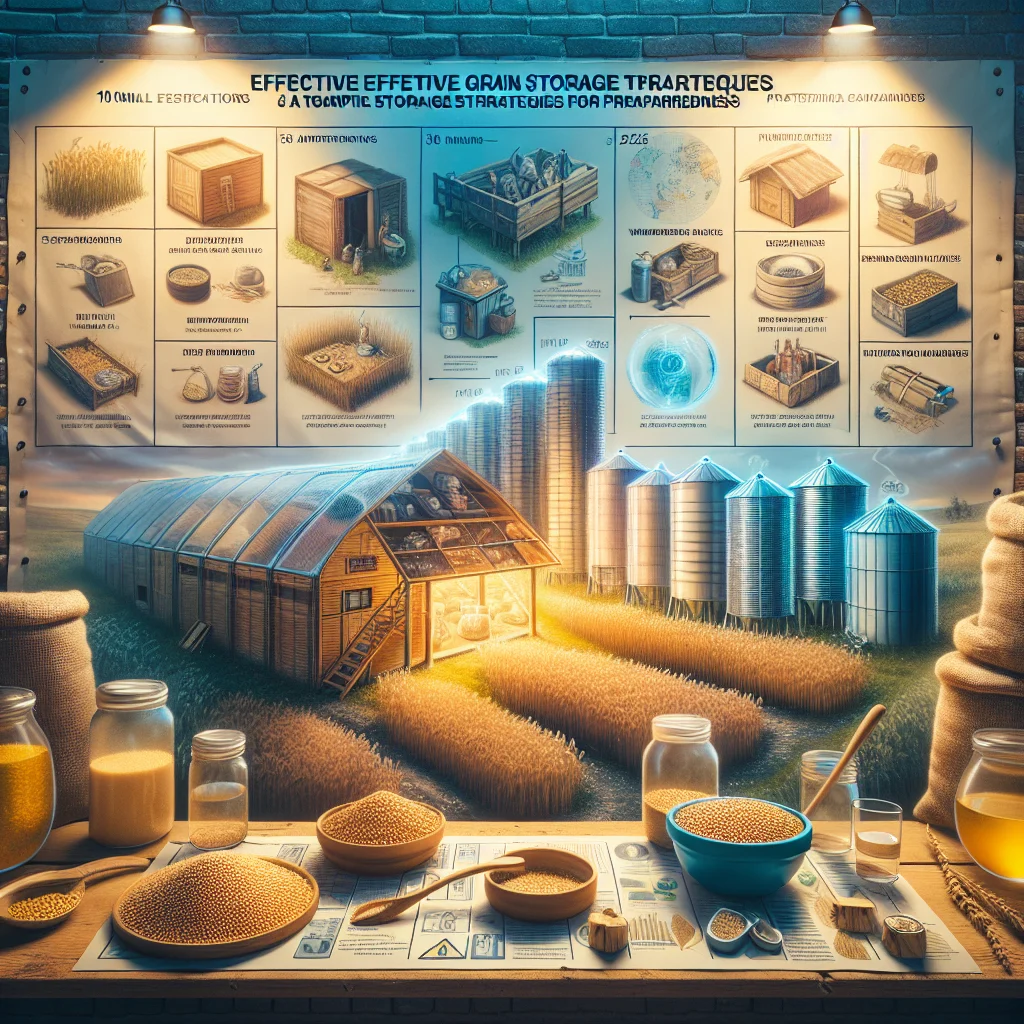
Russian grain storage capacity is best read as the total volume of structures that can hold grain at a single point in time. USDA FAS methodology treats elevators, silos, warehouses, and on-farm bins as part of this installed base, while crop production is the tonnage harvested in a given season. A large harvest does not by itself increase that capacity: it raises the pressure on existing structures. Long-term field management, including the practices outlined in soil management practices, affects how much grain enters storage in a given year, but it does not change the volume of the structures themselves. Rosstat crop reports add the production side of the comparison: tonnage harvested is not the same as tonnage that can be stored, and the gap matters most during the marketing year. Capacity is therefore a logistics measure rather than an agronomic yield figure; comparing the two without that distinction can misstate whether storage is tight or adequate.
How Storage Capacity Shapes Russia's Grain Exports
The constraint is regional as much as national: grain may be abundant in one district and still face capacity limits near a specific port or rail junction. Storage capacity shapes Russia's grain exports by determining how much grain can be held long enough to reach buyers later in the marketing year. A grain export terminal works efficiently when grain arrives on schedule, not only when total output is high, and rail corridors follow the same logic. In years when harvests are large in surplus-producing regions but storage near ports is limited, more grain may need to move early or remain on farms. That interaction helps explain why export volume and production volume do not move in lockstep, a theme covered in Russia's grain exports. The same balance can shift with climate variability: a poor season in one region can tighten supply while a good season elsewhere strains logistics, as discussed with climate effects on Russian wheat production. USDA FAS export estimates and Rosstat crop data are the public reference points for reading that balance. Storage capacity acts as the physical link between those two series: enough capacity supports later sales and steadier port flows, while limited capacity pushes earlier movement and can compress prices at harvest. That is why analysts track storage adequacy alongside the export outlook rather than treating capacity as a fixed background number.
Grain Elevators, Silos, Warehouses, and On-Farm Storage in Russia: A Comparison
Grain elevators in Russia are one part of a wider storage network, and each structure supports a different stage in the marketing chain. The comparison below separates their roles.
| Storage type | What it is | Typical role | Logistical effect |
|---|---|---|---|
| Elevator | Tall concrete or steel bulk-handling structure that receives, cleans, dries, and stores grain | Centralized reception at railheads, large farms, and port terminals | Enables long-term storage and high-volume transfer to rail or ship |
| Silo | Cylindrical sealed bin for controlled-atmosphere grain storage | Medium-term storage in sealed units within elevator complexes | Protects quality and reduces spoilage before shipment |
| Warehouse | Flat structure for bulk or bagged grain storage | Flexible overflow and short- to medium-term holding | Requires more handling and suits smaller, more variable batches |
| On-farm storage | Bins or covered structures located near fields | Temporary holding at harvest or controlled farm-level marketing | Relieves pressure on commercial elevators while shifting quality control to the farm |
These categories overlap in practice: a port terminal may combine elevator and silo capacity, while a large farm may use bins that function like small silos. The distinction matters because it affects who controls the grain and when it can be sold. Yield levels alone, discussed in cereal crop yield technologies, determine how much grain arrives at these structures; storage choice then determines how much of that crop can be held safely. In aggregate, a country's capacity is the sum of all these structures, but the commercial value of that capacity depends on location and access to export routes.
Why Capacity Figures Vary by Source
Capacity figures vary by source because the organizations measuring them do not always count the same structures. FAO publishes food and agriculture statistics and concepts, while USDA FAS estimates commercial and on-farm capacity around a specific marketing year and Rosstat reports national infrastructure under its own categories. Differences in definition, coverage, and reference year can make two published figures look contradictory when both are technically correct. A figure that includes on-farm bins will be larger than one limited to commercial elevators, even for the same country and year. USDA FAS estimates prioritize market-relevant capacity for grain supply and demand, while FAO's food and agriculture work can emphasize broader food-system concerns. Field decisions covered in wheat crop management change how much grain enters storage in a given year, but they do not change how capacity is defined. Readers comparing sources should check what is included and which marketing year the number describes.
Where to Verify Official Grain Storage Statistics
The exact figure should always be read from the latest report rather than from a summary published years earlier; these reports update estimates as new data arrive. The primary recurring document is the USDA Foreign Agricultural Service Grain and Feed Annual. It reports Russian grain storage capacity in million metric tons and explains the categories and marketing year used for each estimate. Rosstat is the national source for agricultural infrastructure statistics.
- USDA FAS Grain and Feed Annual: find the storage capacity table or text reference and note the marketing year and units; capacity is expressed in million metric tons.
- Rosstat agricultural infrastructure reports: check the relevant Russian-language table for storage and elevator infrastructure, and compare its scope with FAS categories.
- FAO food and agriculture statistics and concepts: useful as a cross-country reference, but not a substitute for the annual FAS or Rosstat figure.
When the number is not directly visible, the report's methodology note often explains whether the capacity covers commercial structures, on-farm storage, or both.
Key Takeaways
- Russian grain storage capacity is the combined volume of elevators, silos, warehouses, and on-farm bins; it is infrastructure, not the size of the harvest.
- Export flows depend on how storage connects production regions to ports, not only on total crop volume.
- Capacity figures vary because FAO, USDA FAS, and Rosstat use different categories and reporting years.
- The current figure should be checked in the USDA FAS Grain and Feed Annual or in Rosstat rather than from a dated summary.
Frequently Asked Questions
What is Russia's grain storage capacity?
Russia's grain storage capacity is the combined volume of elevators, silos, warehouses, and on-farm bins available to hold grain after harvest; it is not the same as the annual harvest.
How much grain can Russia store?
The exact figure changes by year and should be read from the latest USDA FAS Grain and Feed Annual or from Rosstat. No number should be published without a linked source.
What counts as grain storage capacity?
Elevators, silos, warehouses, and on-farm storage all count toward the total.
Does Russia have enough storage for its grain harvest?
That depends on region, port access, and year. The USDA FAS Grain and Feed Annual analyzes storage relative to harvest and exports.
Where can I find official Russian grain storage data?
In the USDA FAS Grain and Feed Annual and in Rosstat infrastructure statistics.
Sources
- USDA Foreign Agricultural Service — Grain and Feed Annual
- Rosstat (Росстат) — agricultural infrastructure statistics
- FAO — food and agriculture statistics and concepts
Spring Wheat vs Winter Wheat in Russia: A Complete Agronomic Comparison

Russian State Register of Selection Achievements: What It Is and How to Use It

Integrated Pest Management with a Preventive, Not Reactive, Approach

Wheat Crop Management: A Complete Guide to Sustainable Production and Higher Yields

Reclaiming Soviet-era Farmland: Cases of Successful Conversion to Modern Crops

The Role of AI-Powered Drones in the Early Detection of Pests in Extensive Crops
You might like...